
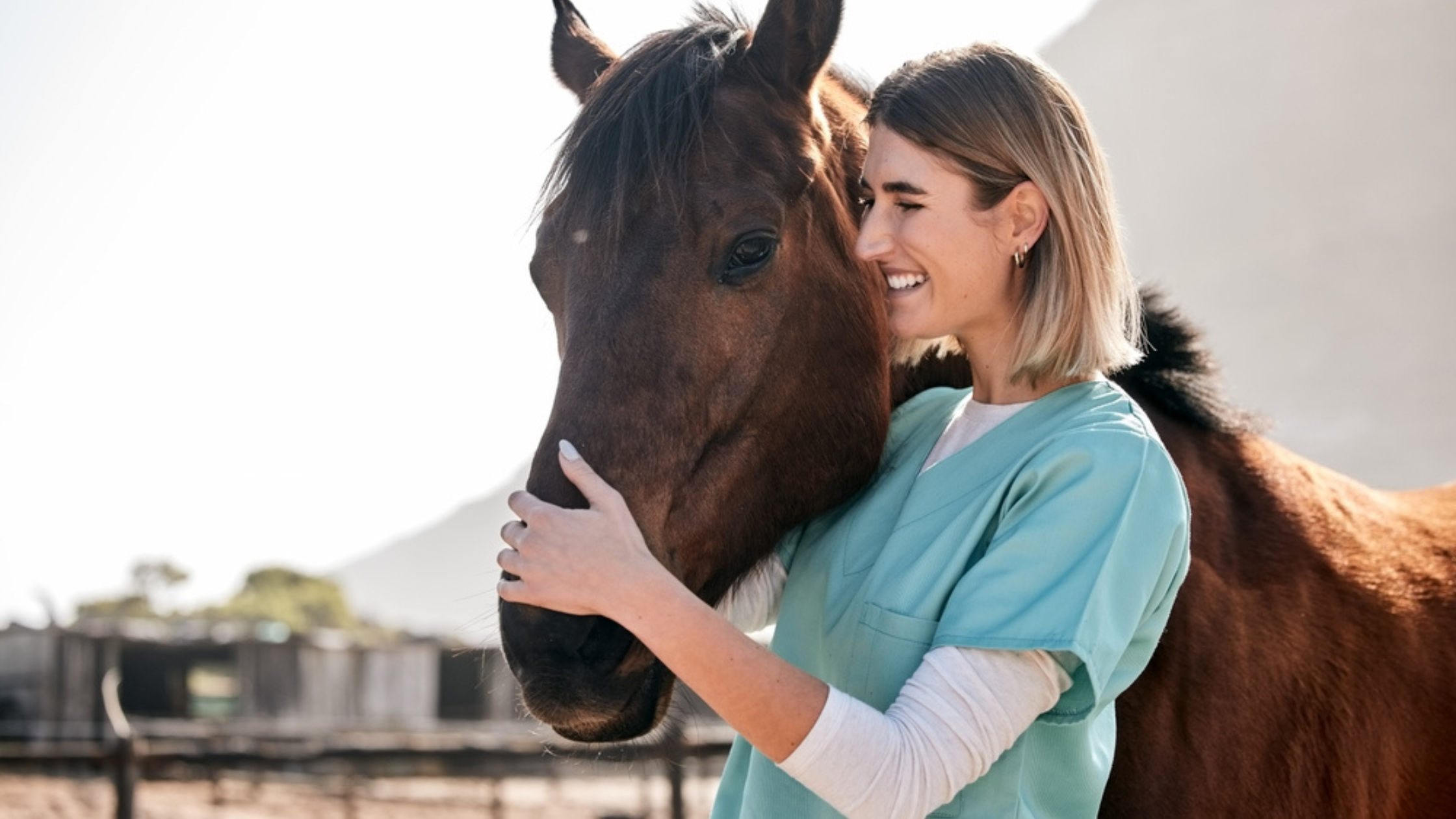
Plenty of equine procedures never need a trip to the surgery suite. With the right mix of physical and chemical restraint, veterinarians can suture a laceration, pass a nasogastric tube or float teeth on a standing horse. That matters because general anesthesia carries more risk in horses than in most other species. Detomidine is one of the drugs that makes standing work possible.
Detomidine (definition): An alpha-2 adrenergic agonist that produces sedation, muscle relaxation and analgesia. In horses, it's available as an injectable (Dormosedan) and a sublingual gel (Dormosedan Gel). Both require a veterinarian's prescription.
Here's how it's used, how it's dosed and when it isn't the right fit.
Key Takeaways:
- Detomidine is a prescription alpha-2 agonist labeled for equine sedation and analgesia.
- Label doses are 20 or 40 mcg/kg IV or IM (injectable) and 40 mcg/kg sublingually (gel).
- In 2025, CEPEF4 reported 1.2% mortality after equine general anesthesia.
What Is Detomidine for Horses?
Detomidine is a prescription sedative and analgesic in the alpha-2 agonist class, the same family as xylazine and romifidine. It's newer and more potent than xylazine, and it's one of five drugs commercially marketed for standing chemical restraint in horses, alongside acepromazine, butorphanol, romifidine and xylazine.
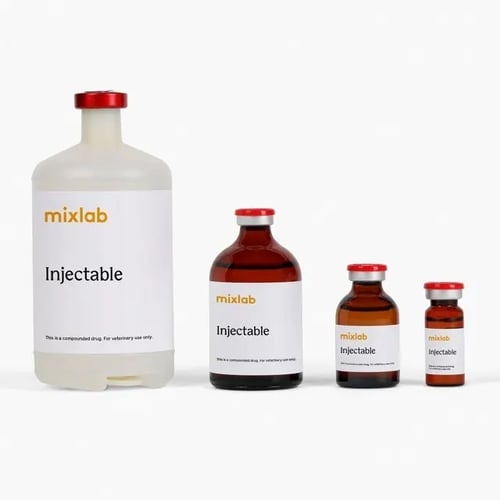
The best-known products are Dormosedan (detomidine hydrochloride 10 mg/mL injection) and Dormosedan Gel (7.6 mg/mL oromucosal gel), both distributed by Zoetis. Generic injectable detomidine is also available. Every form is prescription-only.
What Is Detomidine Used for in Horses?
Detomidine is used to sedate horses and provide pain relief for minor surgical and diagnostic procedures done standing. According to the Dormosedan product label, labeled uses include calming fractious horses, relieving abdominal pain, bronchoscopy, nasogastric intubation, suturing skin lacerations and castration.
The gel has a narrower role. The Dormosedan Gel label covers sedation and restraint, which is why it's often chosen for non-painful tasks like grooming and hoof trimming.
Why does standing sedation get so much attention in equine practice? Risk.
In 2025, the Confidential Enquiry into Perioperative Equine Fatalities phase 4 (CEPEF4), published in Veterinary Anaesthesia and Analgesia, tracked 47,396 general anesthesia cases across 28 countries and reported a 1.2% death rate within seven days. That's lower than earlier enquiries but still high enough that many veterinarians choose standing sedation whenever a procedure allows it.
For a broader look at sedation across species, see our guide to how animals are tranquilized.
What Is the Detomidine Dose for Horses?
The labeled detomidine dose for horses is 20 or 40 mcg/kg for the injectable (IV or IM) and 40 mcg/kg for the sublingual gel. For the injectable, that works out to 0.2 or 0.4 mL per 100 kg (220 lb) of body weight. The attending veterinarian sets the final dose based on the horse, the procedure and any other drugs on board.
Detomidine Dosing for Horses |
||||
|---|---|---|---|---|
|
Formulation |
Label Dose |
Route |
Onset |
Duration |
|
Injectable, sedation |
20 mcg/kg |
IV or IM |
2-4 min IV; 3-5 min IM |
30-90 min |
|
Injectable, sedation |
40 mcg/kg |
IV or IM |
2-4 min IV; 3-5 min IM |
About 90 min to 2 hr |
|
Injectable, analgesia |
20 or 40 mcg/kg |
IV only |
2-4 min |
30-45 min (20 mcg/kg); 45-75 min (40 mcg/kg) |
|
Gel |
40 mcg/kg (0.018 mg/lb) |
Sublingual |
Allow at least 40 min |
90-180 min |
Source: Dormosedan and Dormosedan Gel product labels (Zoetis, 2022).
How Is Injectable Detomidine Dosed?
The injectable can be given IV or IM for sedation, but the label lists IV only for analgesia. At 40 mcg/kg, the sedation window is roughly double that of 20 mcg/kg, so the choice often comes down to how long the procedure will run.
How Is Detomidine Gel Dosed?
Dormosedan Gel is dosed at 40 mcg/kg and placed under the tongue, not swallowed. The label calls for at least 40 minutes before starting a procedure, and in the field study every treated horse had recovered by 240 minutes. Handlers should wear impermeable gloves, since detomidine is absorbed through skin, eyes and mouth.
Our Take: The gel's 40-minute lead time is the detail that trips people up most. Building it into the appointment (and telling horse owners exactly when to give it) helps keep procedures on schedule and cuts down on rushed redosing.
Can Detomidine Be Given as an Infusion?
Yes. Veterinarians use detomidine infusions to extend standing restraint for longer procedures, though infusion protocols aren't part of the label. In 2025, a Frontiers in Veterinary Science study on continuous detomidine and butorphanol infusion compared a 20 mcg/kg/h infusion with repeat boluses in 15 horses during dental work. The infusion group needed fewer rescue doses (1.6 vs. 4.3) but showed ataxia for up to about 15 minutes longer.
Detomidine vs. Other Equine Sedatives
Detomidine delivers deeper sedation than acepromazine and adds analgesia, which acepromazine doesn't reliably provide on its own. Most of these drugs are labeled as stand-alone agents, but most equine veterinarians combine them to improve the onset, quality and duration of sedation while limiting side effects.
Common Standing Sedation Drugs Compared |
|||
|---|---|---|---|
|
Drug |
Class |
Sedation and Analgesia |
Key Considerations |
|
Acepromazine |
Phenothiazine |
Calming; no reliable analgesia alone |
Can lower blood pressure; use caution in excitable, hemorrhaging or dehydrated horses |
|
Xylazine |
Alpha-2 agonist |
Sedation and analgesia |
Less potent than detomidine; some researchers question using it alone for hindquarter work |
|
Detomidine |
Alpha-2 agonist |
Sedation and analgesia |
More potent; hypertension can last 20-60 min |
|
Romifidine |
Alpha-2 agonist |
Sedation and analgesia |
Prolonged hypertension similar to detomidine |
|
Butorphanol |
Opioid |
Primarily analgesia |
Can cause excitement alone; often paired with an alpha-2 agonist |
Why Do Veterinarians Combine Detomidine With Other Drugs?
Combining an alpha-2 agonist with an opioid increases the clinical effect and reduces side effects compared with either drug alone. Acepromazine also enhances the analgesic effects of alpha-2 agonists and opioids.
A few practical points from the equine anesthesia literature:
- Give detomidine before morphine to help prevent opioid-related excitement.
- For long procedures with detomidine and morphine, crystalloid fluids such as lactated Ringer's at 2-5 mL/kg/h help maintain fluid balance and replace losses from increased urine output.
- Detomidine alone may not provide enough analgesia for surgery, so local anesthesia or additional analgesics are often needed.
Our Take: Detomidine is rarely the whole plan for a painful procedure. It's the foundation, and the label's "minor procedures" language is a useful reminder that anything more invasive usually calls for a local block or an opioid on top.
Looking for related equine content? Our guide to altrenogest for horses covers another commonly prescribed equine medication.
What Are the Side Effects of Detomidine in Horses?
The most common side effects of detomidine in horses are cardiovascular:
- Bradycardia
- Transient hypertension
- Partial AV or SA block
These effects are dose-dependent within the clinical range. Lower heart rate and higher vascular resistance can reduce cardiac output by up to about half of pre-drug values.
Other effects reported on the label or in equine studies include:
- Sweating, piloerection, salivation and slight muscle tremors
- Incoordination or staggering, mostly in the first 3-5 minutes
- Head lowering, which can lead to nasal discharge and swelling of the head and face
- Slower breathing, decreased GI motility and reduced swallowing
- Increased urination, often 45-60 minutes after treatment
- Hyperglycemia and increased intrauterine pressure
- Partial, transient penile prolapse
Keeping the head slightly raised helps limit swelling and nasal discharge. And since swallowing is reduced, the label says to withhold food and water until sedation wears off.
Our Take: For horse owners using the gel at home, the instructions that matter most are simple. Nothing to eat or drink until the horse is fully alert, and give a sedated horse space, since sudden stimuli can still trigger a kick.
When Should Detomidine Not Be Used in Horses?
Detomidine shouldn't be used in horses with pre-existing AV or SA block, severe coronary insufficiency, cerebrovascular disease, respiratory disease or chronic renal failure. The label also warns against using IV potentiated sulfonamides in sedated or anesthetized horses because of the risk of potentially fatal dysrhythmias.
Other cautions from the Dormosedan labels:
- Breeding animals: not recommended, based on limited data
- Shock, advanced liver or kidney disease or extreme stress: use with caution
- Epinephrine: avoid, since it may potentiate alpha-2 effects
- Horses intended for human consumption: do not use
Is your horse on other sedatives or pain medications? Tell your veterinarian, since the label notes possible additive effects.
Need detomidine for your equine patients? Shop detomidine from Mixlab with fast delivery and pharmacist support. Prescription required.
Frequently Asked Questions About Detomidine for Horses
How Long Does Detomidine Last in a Horse?
It depends on dose and route. According to the Dormosedan label, injectable sedation lasts 30-90 minutes at 20 mcg/kg and about 90 minutes to 2 hours at 40 mcg/kg. Dormosedan Gel sedation generally lasts 90-180 minutes, and every horse in the label's field study had recovered by 240 minutes.
Can Detomidine Be Given IM to Horses?
Yes, for sedation. The Dormosedan label lists IV or IM administration for sedation at 20 or 40 mcg/kg, with onset in 3-5 minutes after IM injection. For analgesia, though, the label specifies IV administration only, so veterinarians typically choose the IV route for painful procedures.
What's the Difference Between Detomidine and Xylazine?
Both are alpha-2 agonists that provide sedation and analgesia, but detomidine is newer and more potent. Detomidine also tends to cause longer-lasting hypertension, which can persist 20-60 minutes. Many equine veterinarians choose between them based on how long and how stimulating the procedure will be.
How Long Does Dormosedan Gel Take to Work?
Plan on at least 40 minutes. The Dormosedan Gel label (revised 2022) says to wait a minimum of 40 minutes after sublingual administration before starting a procedure. Peak blood concentrations occur around 1.8 hours after dosing, according to the label, and sedation generally lasts 90-180 minutes.
Can a Horse Eat After Detomidine?
Not right away. Both Dormosedan labels say to withhold food and water until the sedative effects wear off. Detomidine reduces swallowing and slows GI motility, so a sedated horse isn't ready to eat. Wait until the horse is fully alert, with normal head carriage, before offering hay or water.
Is Detomidine Safe for Pregnant Mares?
Detomidine is generally considered clinically usable in pregnant mares for short procedures or pain relief. However, manufacturer labels often advise caution or list restrictions during late pregnancy.
Does Detomidine Require a Prescription?
Yes. Both the injectable and the gel are prescription-only, and federal law restricts them to use by or on the order of a licensed veterinarian. Because detomidine can sedate people through accidental skin, eye or mouth exposure, the label also calls for gloves and careful storage away from children.
Veterinarians can shop detomidine for horses on the Mixlab portal, alongside our other equine medications.
References:
Gozalo-Marcilla M, Redondo JI, Bettschart-Wolfensberger R, et al. The Confidential Enquiry into Perioperative Equine Fatalities: phase 4 (CEPEF4). Vet Anaesth Analg. 2025;52(5):525-538.
Arantes JA, Rabelo IP, Bermudes L, et al. Optimizing equine standing sedation: continuous infusion of detomidine and butorphanol enhances stability but prolongs ataxia. Front Vet Sci. 2025;12.
Dormosedan (detomidine hydrochloride) product label. Zoetis Inc. Revised September 2022.
Dormosedan Gel (detomidine hydrochloride) product label. Zoetis Inc. Revised March 2022.
Johnston GM, Eastment JK, Wood JLN, et al. The confidential enquiry into perioperative equine fatalities (CEPEF): mortality results of Phases 1 and 2. Vet Anaesth Analg. 2002;29:159-170.
Hubbell J. Practical Standing Chemical Restraint of the Horse. Proceedings, Ohio State University. 2009.
Parentoni R, et al. Detomidine and xylazine, at different doses, in donkeys. Braz J Vet Med. 42, e100820.
Muir WW. Anxiolytics, nonopioid sedative-analgesics, and opioid analgesics. In: Muir WW, Hubbell JAE, eds. Equine Anesthesia: Monitoring and Emergency Therapy. 2nd ed. St. Louis: Saunders Elsevier; 2009:186-190.
Muir WW, Skarda RT, Sheehan WC. Hemodynamic and respiratory effects of a xylazine-acetylpromazine drug combination in horses. Am J Vet Res. 1979;40:1518-1522.
Wagner AE, Muir WW, Hinchcliff KW. Cardiovascular effects of xylazine and detomidine in horses. Am J Vet Res. 1991;52:651-657.
Figueiredo JP, Muir WW, Smith J, et al. Sedative and analgesic effects of romifidine in horses. Int J Appl Res Vet Med. 2005;3:249-258.
Lavoie JP, Pascoe JR, Kurpershoek CJ. Effect of head and neck position on respiratory mechanics in horses sedated with xylazine. Am J Vet Res. 1992;53:1652-1657.
Trim CM, Hanson RR. Effects of xylazine on renal function and plasma glucose in ponies. Vet Rec. 1986;118:65-67.
Rutkowski JA, Ross MW, Cullen K. Effects of xylazine and/or butorphanol or neostigmine on myoelectrical activity of the cecum and right ventral colon in female ponies. Am J Vet Res. 1989;50:1096-1101.
Schatzmann U, Josseck H, Stauffer JL, et al. Effects of α-2 agonists on intrauterine pressure and sedation in horses: comparison between detomidine, romifidine, and xylazine. J Vet Med. 1994;41:523-529.
Luukkanen L, Katila T, Koskinen E. Some effects of multiple administrations of detomidine during the last trimester of equine pregnancy. Equine Vet J. 1997;29:400-403.
Hoffman PE. Clinical evaluation of xylazine as a chemical restraining agent, sedative, and analgesic in horses. J Am Vet Med Assoc. 1974;164:42-45.
Guedes A. How to Maximize Standing Chemical Restraint. How-To Session: Field Anesthesia and Pain Management. University of California, Davis; 2012.


