Draxxin Withdrawal Time for Goats
Milk has been an important food source for humans since the domestication of dairy animals began....

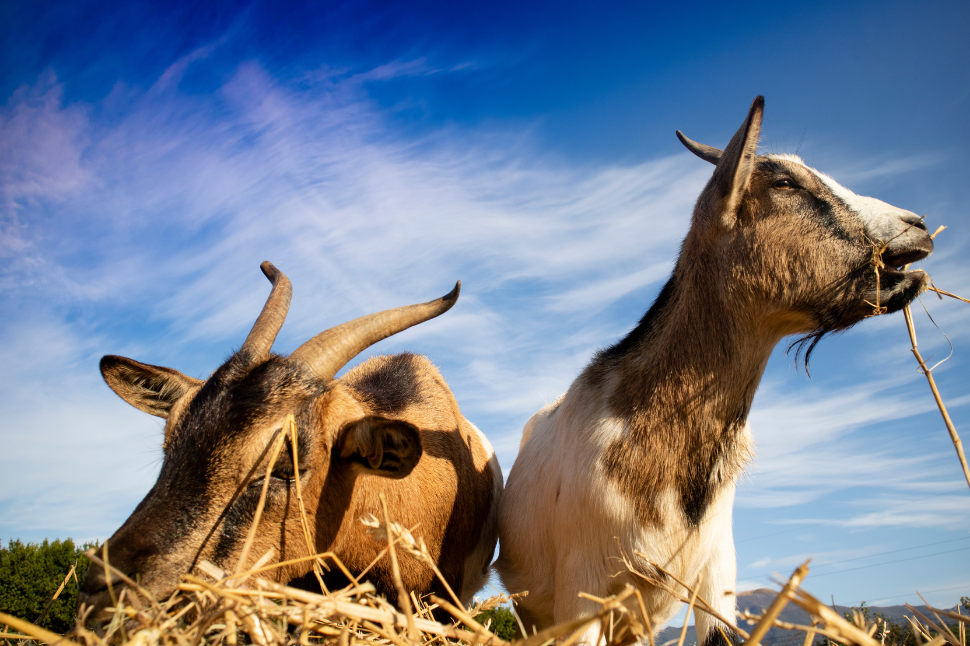
Milk has been an important food source for humans since the domestication of dairy animals began....
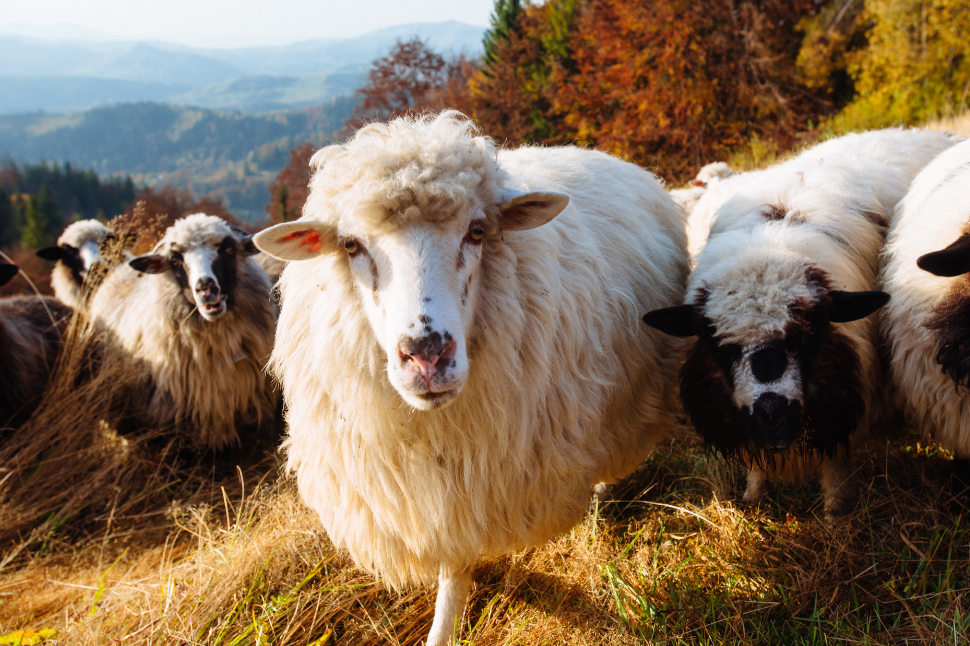
Ovine foot rot is a costly disease in the sheep industry, with producers losing time and money each...
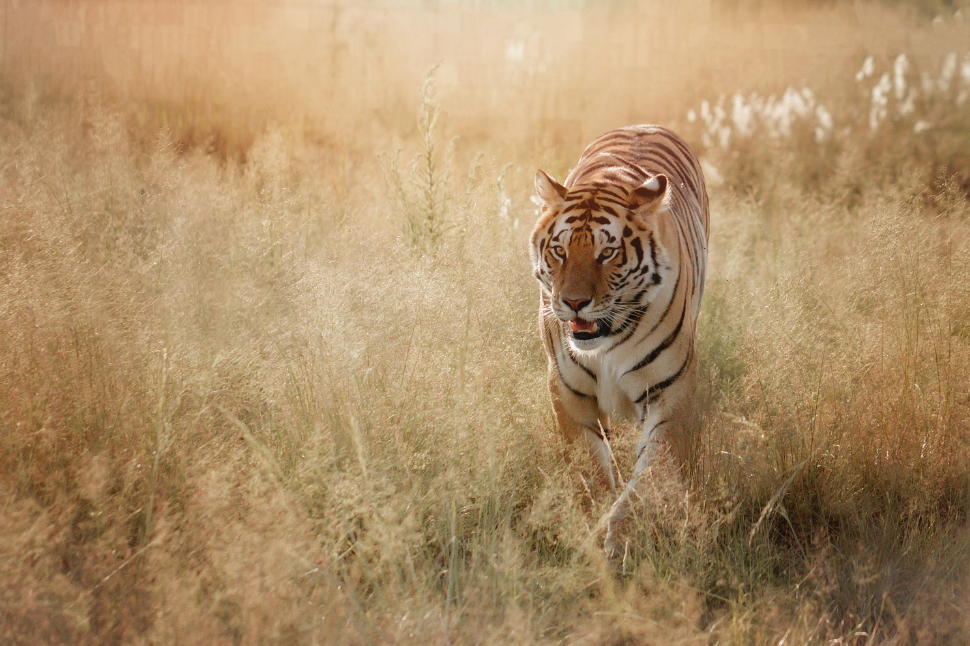
Field anesthesia is often necessary for both invasive and noninvasive procedures on wild animals....
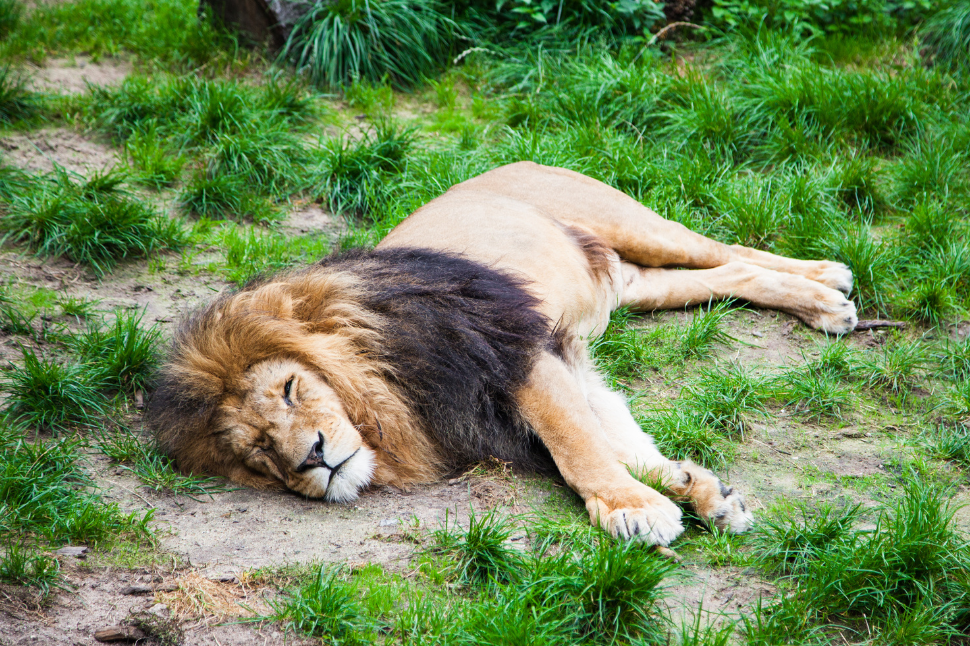
Many procedures that are regularly carried out in domestic animals with minimal restraint require...

A conversation with veterinary behaviorist, Dr. Andrea Tu, Medical Director of Behavior Vets of NYC...
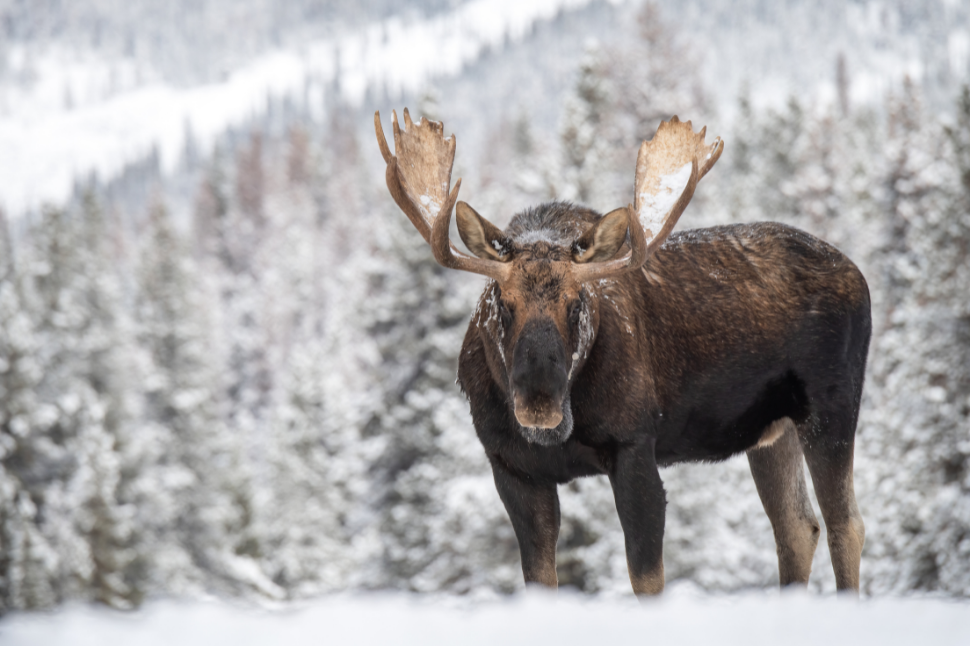
Moose (Alces alces) is the largest member of the deer family; they are found in the northern...
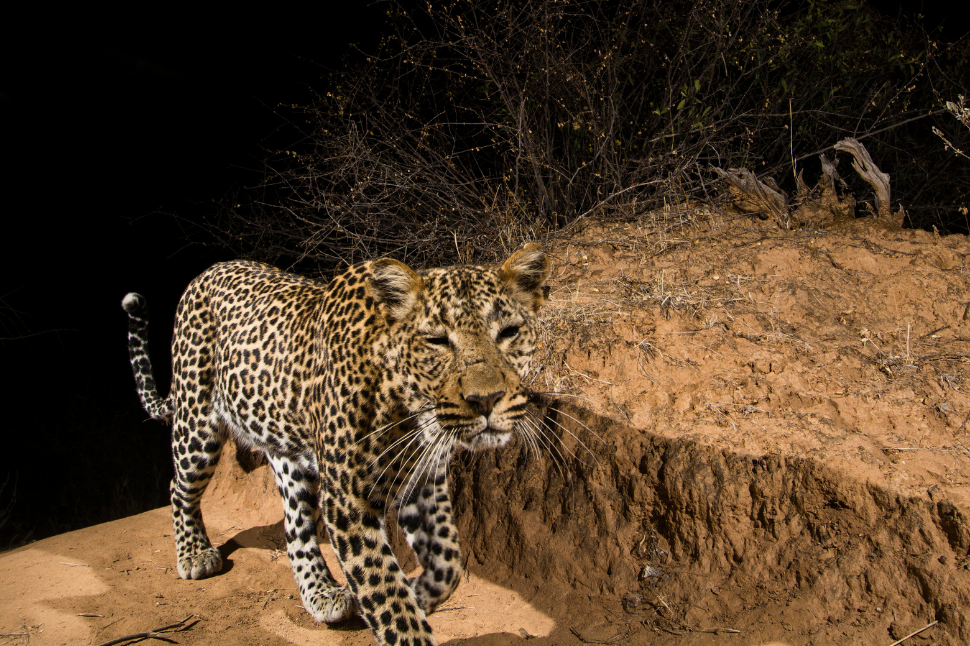
The Leopard (Panthera pardus) is the most widely distributed large wild cat, and occupies a broad...
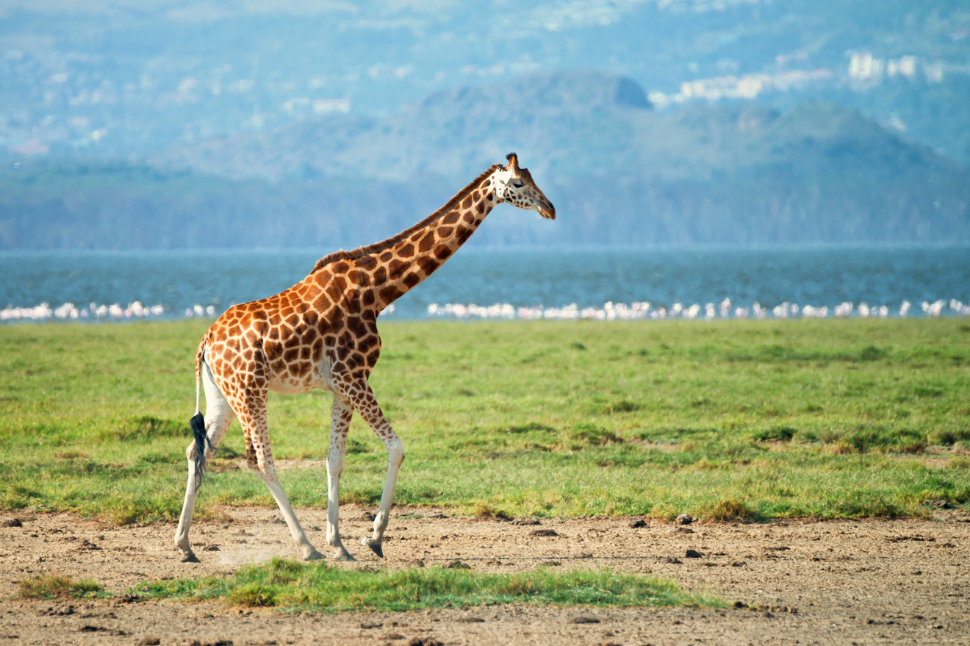
The sedation and immobilization of giraffe (Giraffa camelopardalis) is a tricky proposition due to...
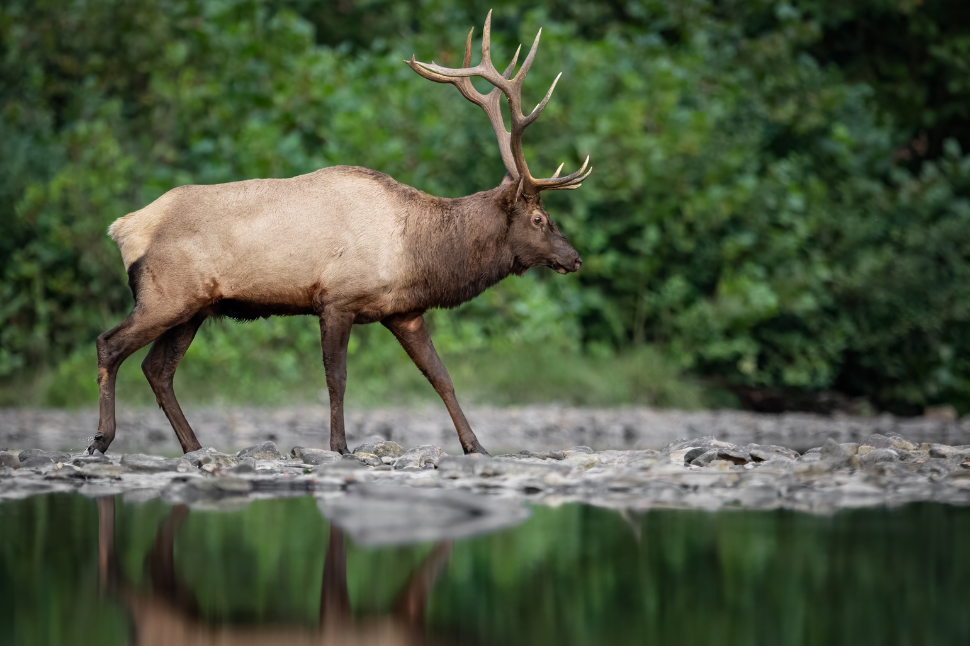
Elk (Cervus elaphus canadensis) are the largest subspecies of red deer (Cervus elaphus), found in...
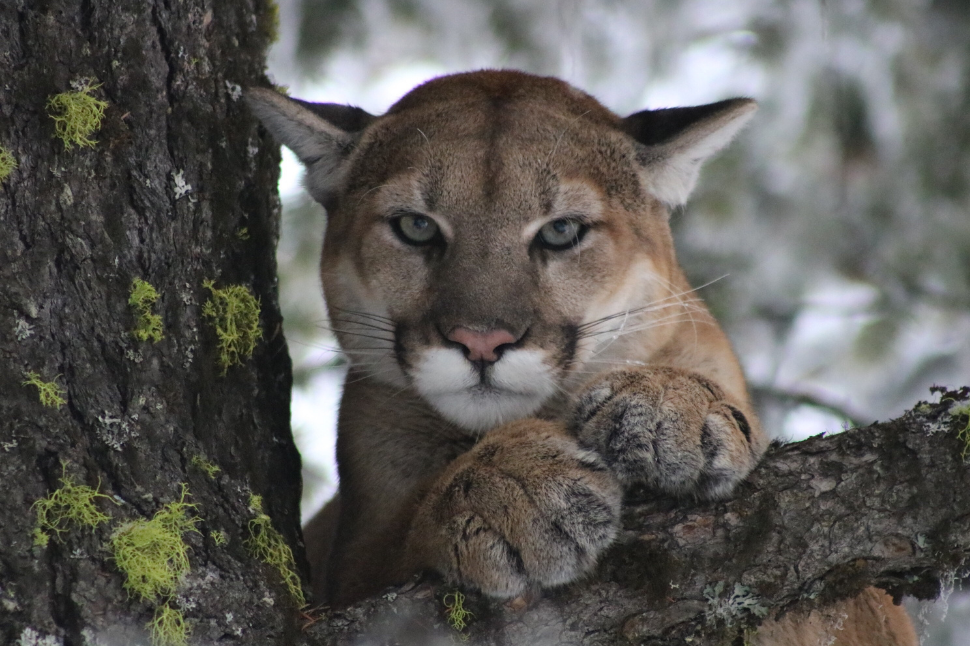
The mountain lion (Puma concolor) is the largest wild felid in the North American continent. It is...
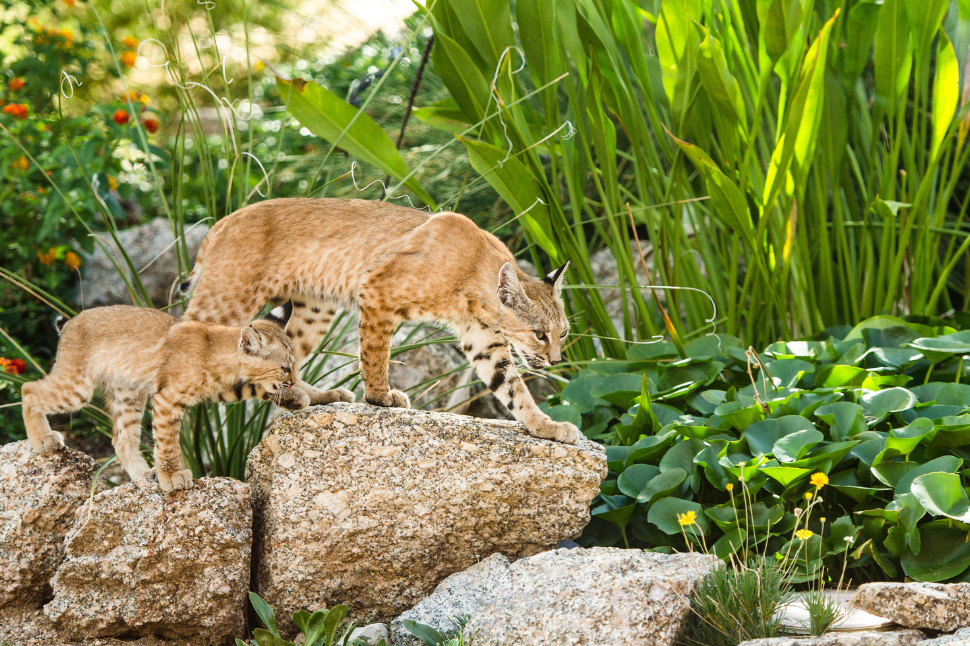
Bobcats (Lynx rufus) are approximately twice as the size of the average housecat. They have long...
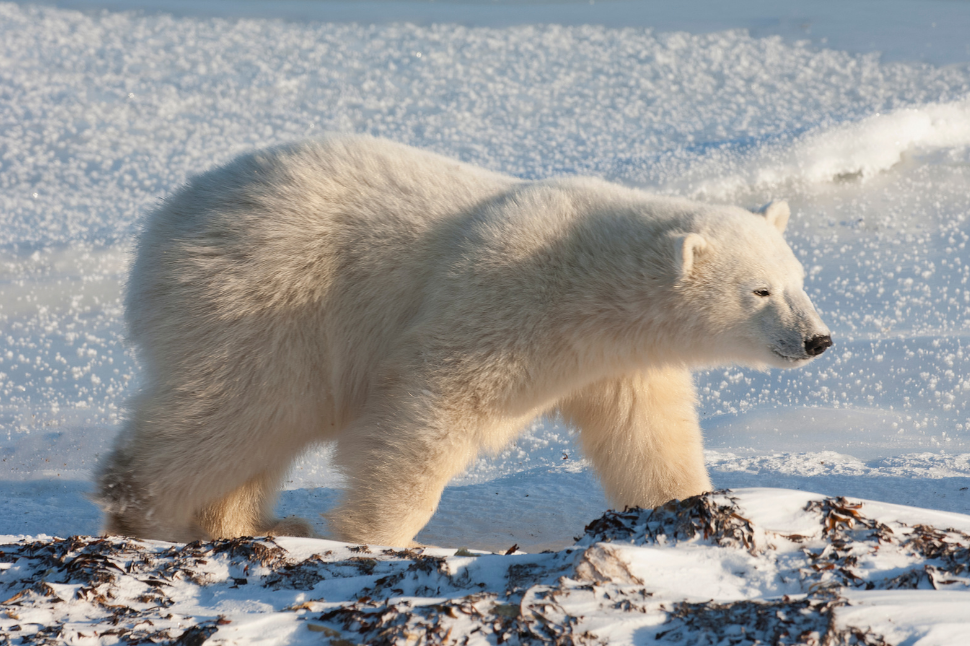
The polar bear (Ursus maritimus) is found throughout the Arctic region. These animals travel long...

We’ve all been there. Your fur baby is sick, you’re stressed out and your veterinarian prescribes a...
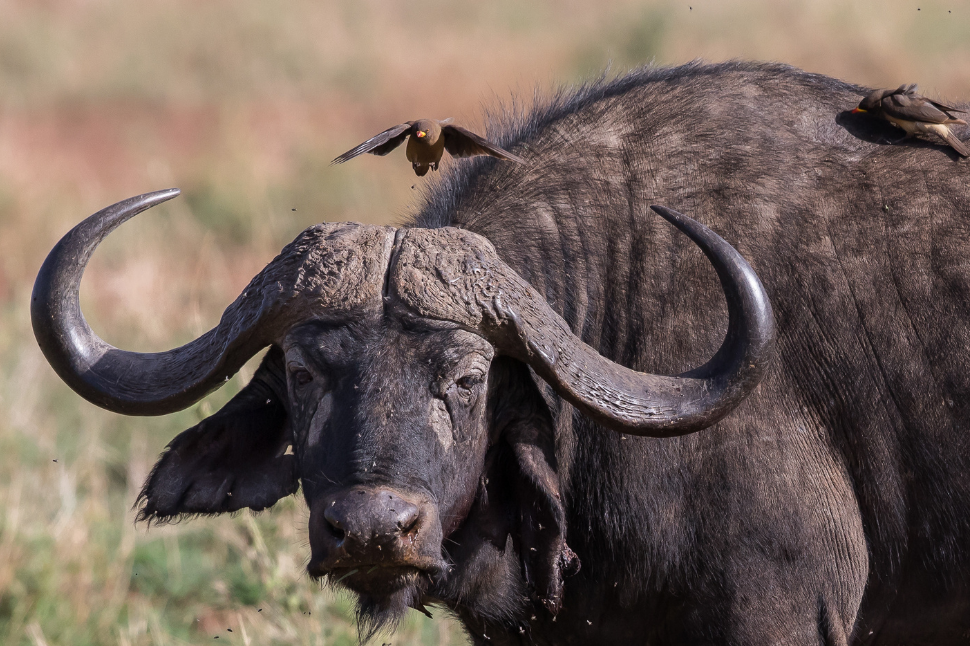
Capturing, immobilizing, and fitting for radio collars are common practices in studies of large...
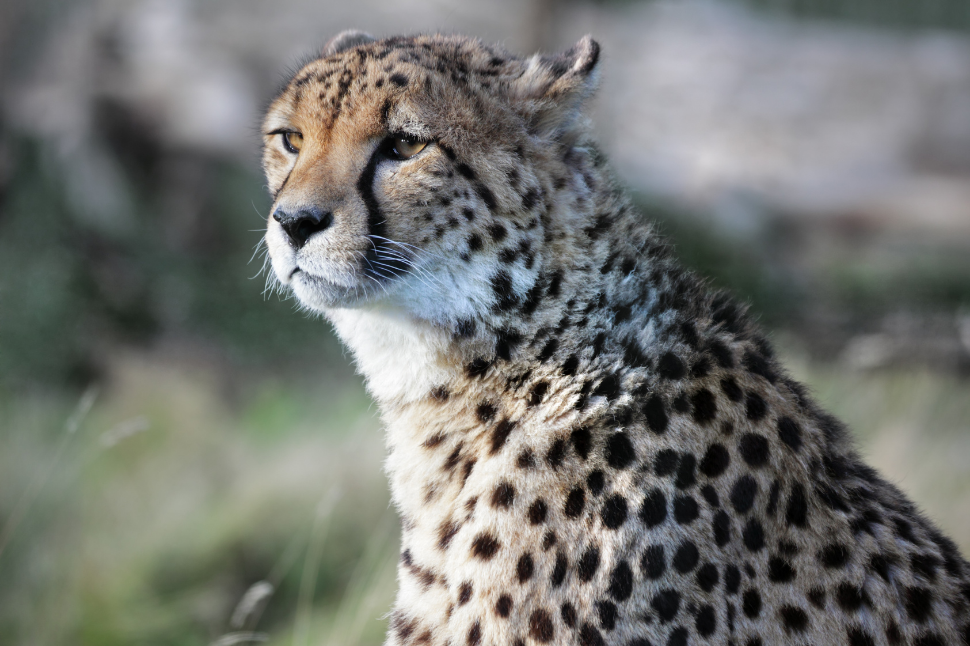
The iconic cheetah (Acinonyx jubatus) is one of the most highly-specialized and effective hunters...