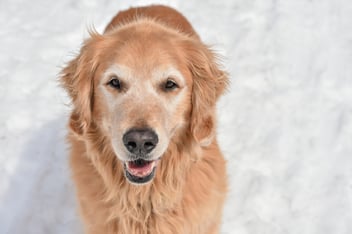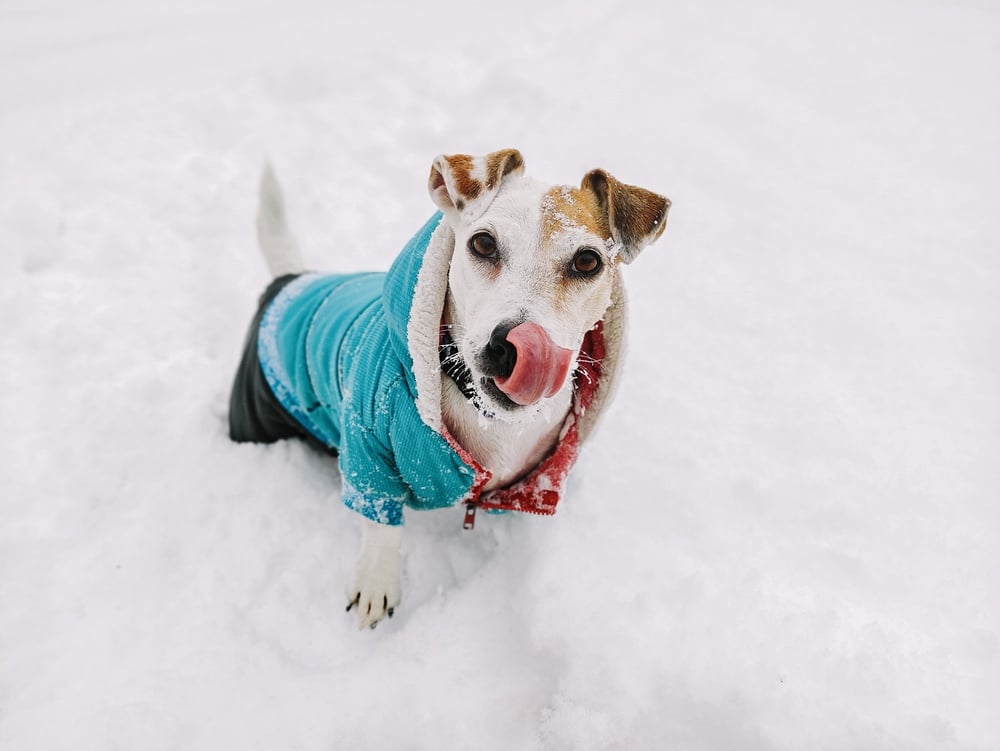
Cold weather brings festive charm, but for our dogs, it also brings new challenges—from dry skin and cracked paws to joint pain, frostbite risks and cold-triggered medical conditions.
Understanding cold weather safety for dogs is essential to protecting their health as temperatures drop. Whether you live somewhere with mild winters or sub-zero freezes, knowing how cold affects your dog’s body is key to keeping them comfortable and protected throughout the season.
This guide covers how to care for your dog in cold weather, which dogs are at highest risk, what medications may help and how to recognize when cold exposure becomes dangerous.
Why Does Cold Weather Affect Dogs Differently?
Dogs regulate heat differently from humans, and their cold tolerance depends on factors like:
- Coat type
- Age
- Size
- Body fat
- Underlying health conditions
Even dogs who enjoy the snow may need extra support when temperatures drop.
Which Dog Breeds Tolerate Cold the Best?
Some dogs are naturally built for colder climates thanks to thick, insulating coats and higher body mass. Breeds with dense, double-layered fur retain heat more effectively and are often more comfortable in winter conditions.
Examples include:
- Siberian Huskies
- Newfoundlands
- Alaskan Malamutes
- Bernese Mountain Dogs
- Saint Bernards
Even cold-tolerant breeds can be affected by wind chill, moisture, and prolonged exposure, so monitoring outdoor time is still important.
Which Breeds Tolerate Cold the Worst?
Dogs with short coats, low body fat, or smaller body size lose heat quickly and are more vulnerable to cold-related stress. These breeds often need extra protection, even in moderately cool temperatures.
Examples include:
- Chihuahuas
Greyhounds - Boxers
French Bulldogs - Dachshunds
Puppies, senior dogs, and dogs with underlying medical conditions may also struggle more in cold weather—regardless of breed—and benefit from coats, shorter outdoor exposure, and closer monitoring.
What Are the Signs a Dog Is Too Cold?
Common signs a dog is too cold include:
- Shivering or trembling
- Holding paws up or refusing to walk
- Curling tightly to preserve warmth
- Whining or seeming anxious outside
- Slowing down or stopping on walks
- Cold ears or extremities
- Seeking shelter or refusing to go out
Any dog showing these signs should be brought indoors promptly. Dogs often hide discomfort, so early recognition is important.
Which Dog Medical Conditions Need Special Attention in Cold Weather?
Cold weather doesn’t just cause discomfort. It can worsen certain health issues or create new ones for dogs.
#1. Arthritis and Joint Pain
Cold temperatures often stiffen joints, particularly in senior dogs or those with osteoarthritis.
How to help:
- Provide soft, warm bedding
- Consider anti-inflammatory medications
- Use joint supplements (glucosamine/chondroitin, omega-3s)
- Keep walks shorter but more frequent
Medications veterinarians may prescribe:
- NSAIDs like carprofen, meloxicam or deracoxib
- Gabapentin for neuropathic pain
- Adequan® (polysulfated glycosaminoglycan) injections for joint support
Mixlab can compound gabapentin, NSAIDs (where appropriate) and other pain-support medications.
#2. Hypothyroidism
Dogs with low thyroid hormone struggle to maintain body heat.
Symptoms of hypothyroidism in dogs include:
- Lethargy
- Weight gain
- Cold intolerance
- Thinning coat
Cold Weather Tip: Monitor your dog closely. Hypothyroid dogs may need more frequent rechecks of thyroid levels in winter.
Medication veterinarians may prescribe:
- Levothyroxine, which can be compounded into flavored tablets or soft chews
#3. Heart Disease
Cold weather increases cardiovascular demand, which may worsen coughing or exercise intolerance in dogs with heart conditions.
Medications veterinarians may prescribe:
- Heart medications (e.g., pimobendan, furosemide, enalapril) should not be missed
- Sudden cold stress may require dose reassessment
#4. Dry Skin and Allergies
Winter air is dry, which can trigger itching, flaky skin or secondary infections.
Helpful treatments include:
- Omega-3 fatty acid supplements
- Medicated shampoos (chlorhexidine, miconazole)
- Topical sprays containing hydrocortisone or ceramides
- Antihistamines or apoquel/cytopoint as directed by a veterinarian
Medications veterinarians may prescribe:
- Mupirocin ointment
- Antibiotic or antifungal medications
These may be recommended for severe irritation or infection.
#5. Frostbite and Hypothermia Risks
Puppies, seniors, small breeds, toy breeds and dogs with short coats are at highest risk.
Hypothermia signs in dogs include:
- Pale gums
- Slow movements
- Weak pulse
- Collapse
If suspected, warm gradually and contact a veterinarian immediately.
Cold Weather Safety for Dogs: Tips for Pet Parents
Here are practical, veterinarian-backed steps pet parents can take:
Keep Outdoor Time Shorter
Even cold-tolerant breeds can be affected by wind chill, moisture or low temperatures. Limit exposure when temperatures fall below freezing.
Use Protective Gear
- Coats and sweaters for short-haired or senior dogs
- Booties to protect paws from ice and salt
- Paw balms to create a moisture barrier
Maintain Coat and Paw Health
Trim fur between paw pads to reduce ice buildup. Moisturize dry noses and paw pads with pet-safe balms.
Adjust Diet and Hydration
Dogs burn more calories staying warm, so some may benefit from slightly increased food intake in the winter. Ask your veterinarian.
Warm Sleeping Areas
Avoid placing beds in drafty areas. Orthopedic beds help dogs with arthritis stay warm and mobile.
Continue Medications as Directed
Cold weather may worsen conditions like:
- Arthritis
- Hypothyroidism
- Heart disease
- Respiratory disease
- Dry skin and allergies
Mixlab can compound medications into chews or liquids, making winter dosing easier for both pet parents and pups.
Frequently Asked Questions: Cold Weather Safety for Dogs
How Cold is Too Cold for Dogs?
Most dogs begin to feel uncomfortable below 45°F, and risks rise sharply below 32°F, especially for small, short-haired or senior dogs.
Does Snow or Ice Irritate Dog Paws?
Yes. Ice, snow and road salt can cause cracking, burning and dryness. Paw balm or protective booties can help prevent irritation.
Can Arthritis Flare Up in Cold Weather?
Absolutely. Cold temperatures tighten muscles and stiffen joints. Dogs with arthritis often require increased support, including NSAIDs, gabapentin or joint supplements.
Should I Adjust My Dog’s Medication in Winter?
Some conditions, like hypothyroidism or chronic pain, may require dose changes. Your veterinarian may recommend rechecking thyroid levels or adjusting pain medications during cold months.
Can Dogs Get Dehydrated in Winter?
Yes. Dogs often drink less in cold weather. Ensure they have access to unfrozen water at all times.
Cold Weather Safety for Dogs Starts With the Right Care
Cold weather brings joy, but also unique challenges for dogs. No matter age, breed or activity level, cold weather safety for dogs depends on a thoughtful combination of protection, prevention and ongoing care throughout the winter months.
Supporting your dog’s comfort and health in cold conditions often includes:
- Protective gear
- Home environment adjustments
- Ongoing medical care
- Appropriate winter-safe medications
- Close monitoring for early signs of cold stress
Mixlab offers fast, reliable access to compounded medications for arthritis, hypothyroidism, pain management, skin conditions and more, helping your dog stay healthy and comfortable no matter how low the temperature drops.
Submit your prescription online, ask your veterinarian to prescribe with Mixlab, or get in touch with us with questions.