Prednisolone for cats is a corticosteroid that veterinarians may discuss when cats are diagnosed with inflammatory, immune-mediated or certain oncologic conditions, including feline inflammatory bowel disease, immune-mediated hemolytic anemia and some dermatologic presentations.
It requires a valid prescription and is used under veterinarian direction as part of an individualized management plan.
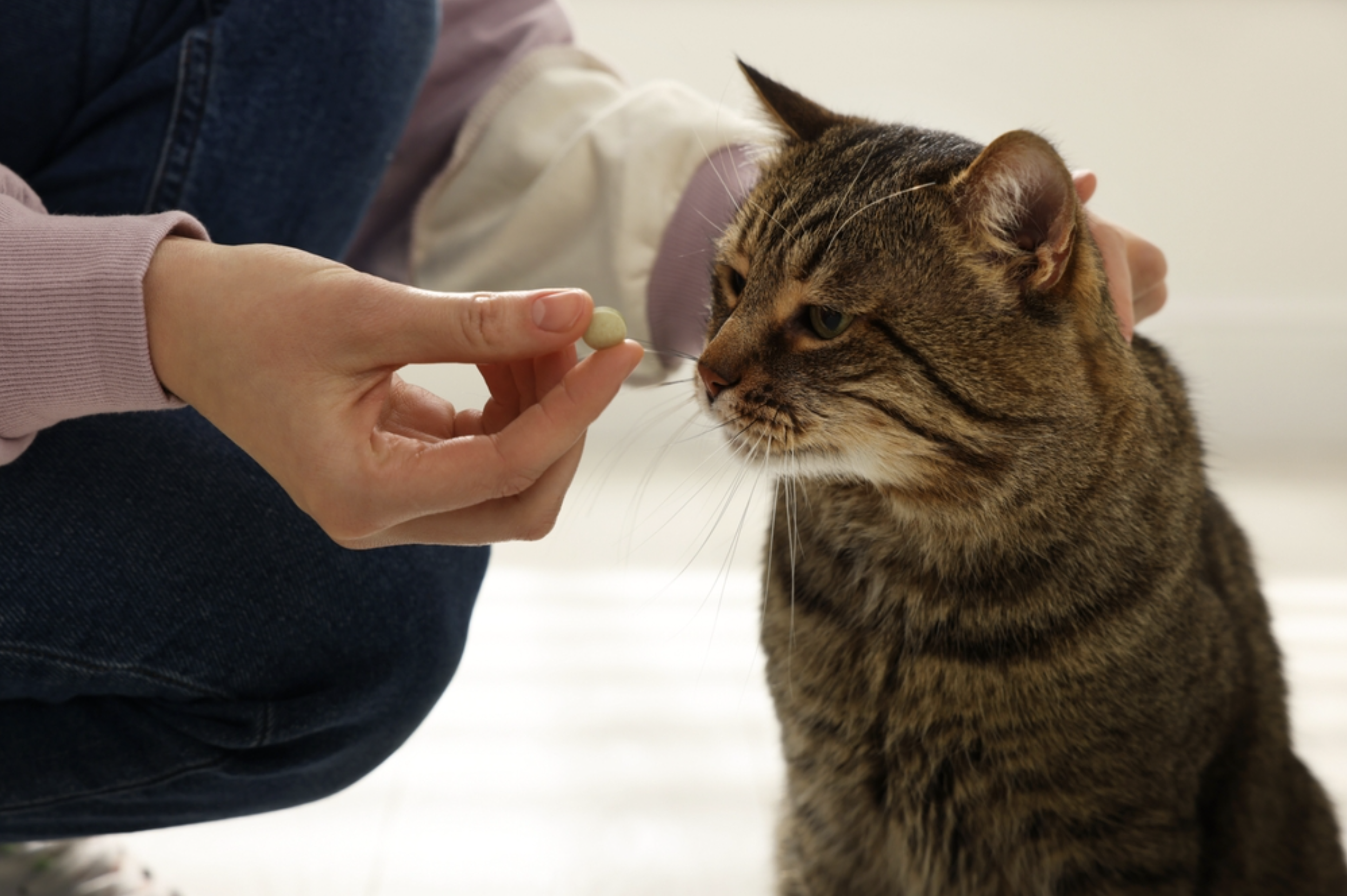
Because cats often resist oral medications, prednisolone is frequently compounded into flavored oral liquids or transdermal pens, which may make consistent at-home administration more achievable.
What Is Prednisolone for Cats?
Prednisolone is a synthetic glucocorticoid — a class of corticosteroid that acts on inflammatory and immune pathways in the body. Veterinarians may discuss prednisolone for cats when conditions involve excessive inflammation or immune system activity that requires medical management.
It is available in its active form, meaning the body can use it directly without requiring conversion in the liver.
This distinction matters significantly in feline medicine. Cats have a reduced capacity to convert prednisone — a closely related prodrug — into its active form, prednisolone. For this reason, veterinarians generally prefer prednisolone over prednisone when a corticosteroid is indicated in cats. The difference between prednisone and prednisolone is one of the most common questions in feline pharmacology, and the short answer is that prednisolone is typically the appropriate choice for cats because of this species-specific pharmacology.
Prednisone vs. Prednisolone for Cats: What’s the Difference?
Prednisone vs. prednisolone is one of the most common questions cat owners ask when discussing corticosteroids with their veterinarian.
Cats are typically prescribed prednisolone instead of prednisone because cats convert prednisone less efficiently in the liver. Prednisone is a prodrug, meaning it must be metabolized into prednisolone before it becomes pharmacologically active.
Because prednisolone is already active, veterinarians generally prefer it for feline patients to ensure consistent and reliable absorption.
When your veterinarian prescribes prednisolone for cats, this species-specific difference is intentional and clinically meaningful.
What Conditions May Lead a Veterinarian to Discuss Prednisolone for a Cat?
Prednisolone for cats may be discussed in the context of a broad range of inflammatory and immune-mediated conditions.
Inflammatory bowel disease is among the most common — cats with chronic GI signs such as vomiting, weight loss or intermittent diarrhea that are found to have an inflammatory basis may have prednisolone discussed as part of a management plan.
Immune-mediated conditions, including immune-mediated hemolytic anemia, represent another context in which veterinarians may discuss prednisolone when the immune response requires modulation.
Dermatologic conditions with an allergic or inflammatory component — including eosinophilic granuloma complex — are also areas in which prednisolone may come up in a veterinarian conversation.
In oncology, cats diagnosed with certain types of lymphoma may have prednisolone discussed as one component of a protocol alongside other medications. The American Association of Feline Practitioners identifies feline lymphoma as a condition in which corticosteroids frequently play a supporting role in management plans developed with veterinarian guidance.
A veterinarian will evaluate your cat’s clinical history, diagnostic results and full physical presentation before discussing any treatment approach. Prednisolone is not appropriate for every cat or every condition, and it is not used without ongoing veterinarian oversight.
What Are the Side Effects of Prednisolone for Cats?
Prednisolone for cats side effects commonly include increased thirst, increased appetite, increased urination and behavioral changes. Veterinarians monitor cats closely during corticosteroid therapy, especially during long-term use.
Some cats may also experience:
- Gastrointestinal upset
- Changes in coat condition
- Restlessness or changes in activity
- Weight gain
- Increased risk of diabetes with prolonged use
- Immune suppression during extended therapy
The likelihood and severity of side effects can depend on the dose, duration of treatment and the cat’s underlying health status.
Any concerning changes in your cat’s behavior, appetite, digestion, energy level or appearance should be communicated to your veterinarian promptly rather than waiting for a scheduled recheck.
What Is the Prednisolone Dosage for Cats?
Prednisolone dosing for cats is weight-based and determined by your veterinarian based on your cat’s size, the specific condition being managed and the intended course of therapy. Doses are often started at a higher level and tapered over time based on the cat’s response. Your veterinarian will prescribe the dose and schedule appropriate for your cat.
Do not adjust the dose without consulting your vet first. It’s dangerous to abruptly stop prednisolone treatment without tapering the dose with veterinary oversight. Abruptly stopping prednisolone in cats can trigger acute adrenal insufficiency, as it suppresses the cat’s natural hormone production.
What Does Monitoring Look Like on Long-Term Prednisolone?
Veterinarians who prescribe prednisolone for conditions requiring extended use will typically plan for ongoing monitoring. This may include periodic bloodwork to assess kidney function, liver values, glucose and overall health markers. Changes in thirst, urination and appetite are among the things veterinarians commonly ask owners to track at home.
For cats with GI-predominant conditions, some veterinarians may also discuss budesonide as an alternative — a locally acting corticosteroid that may reduce systemic exposure in certain clinical contexts. Your veterinarian will guide which approach best fits your cat’s situation and ongoing monitoring needs.
Can Cats Take Prednisolone Long-Term?
Veterinarians may discuss both short-term and longer-term courses depending on the condition being managed and the cat’s individual response. Cats on extended prednisolone therapy typically have periodic monitoring appointments and routine bloodwork to evaluate overall health and identify any changes that might require adjustments. Duration is determined by your veterinarian based on ongoing assessment.
Why Are Compounded Formulations Commonly Considered for Cats?
Consistent dosing is essential when a cat is on prednisolone — a cat who rejects a tablet or spits out a capsule cannot receive a reliable dose, and missed or inconsistent doses affect the management of the underlying condition. This practical challenge is one reason compounding pharmacies frequently work alongside veterinarians on feline prednisolone formulations.
Prednisolone can be compounded into a flavored oral liquid, which may be administered directly by mouth or incorporated into a small amount of food. For cats who resist oral medication entirely, a transdermal cream applied to the inner surface of the ear flap offers a route that bypasses the mouth.
Prednisolone is the second most-dispensed feline compounded medication at Mixlab, with more than 30,000 compounding scripts filled over the past 12 months. That volume reflects both how commonly veterinarians prescribe it for cats and the degree to which compounded formulations — rather than commercial tablets — are required to make consistent administration achievable in this species.
Compounded prednisolone for cats requires a valid prescription from your veterinarian.
Shop compounded prednisolone for cats
Frequently Asked Questions About Prednisolone for Cats
Is Prednisolone the Same as Prednisone?
No. Prednisolone and prednisone are closely related but pharmacologically distinct medications.
Prednisone requires liver conversion before becoming active, while prednisolone is already active. Because cats convert prednisone less efficiently, veterinarians generally prescribe prednisolone specifically for feline patients.
Always use the exact corticosteroid prescribed by your veterinarian.
Does Prednisolone Interact With Other Medications?
Yes, Prednisolone can interact with certain other medications, including some non-steroidal anti-inflammatory drugs (NSAIDs), so it is important to give your veterinarian a complete picture of everything your cat is currently taking — including supplements.
In particular, prednisolone is generally not combined with non-steroidal anti-inflammatory medications without careful veterinarian oversight. Your veterinarian will evaluate potential interactions before prescribing and will let you know if adjustments are needed.
What Is the Prednisolone Dosage for Cats?
Prednisolone dosing for cats is weight-based and determined by your veterinarian based on your cat’s size, the specific condition being managed and the intended course of therapy. Dosing ranges differ significantly depending on whether prednisolone is being used for anti-inflammatory versus immunosuppressive purposes, which is another reason the prescribed dose should always come from the treating veterinarian. Doses are often started at a higher level and tapered over time based on the cat’s response. Your veterinarian will prescribe the dose and schedule appropriate for your cat — do not adjust the dose without consulting them first.
What Should I Do If My Cat Misses a Dose of Prednisolone?
If you miss a dose, give it as soon as you remember — unless it is close to the time of the next scheduled dose, in which case skip the missed dose and continue as normal. Never give two doses at once to make up for a missed one. If you are unsure what to do, contact your veterinarian for guidance.
Can Prednisolone Be Compounded for Cats?
Yes. Because cats frequently resist standard tablets and there is no FDA-approved prednisolone liquid specifically labeled for cats, compounding pharmacies like Mixlab often prepare prednisolone in feline-appropriate formulations. These include flavored oral liquids and transdermal creams applied to the inner ear flap. A valid prescription from your veterinarian is required for all compounded orders.
What Signs Should I Watch for While My Cat Is on Prednisolone?
Veterinarians commonly ask owners to monitor for increases in thirst, urination and appetite — these are recognized effects associated with corticosteroid use. Any changes in your cat’s behavior, coat, digestion or energy that concern you should be communicated to your veterinarian. Your veterinarian will explain what is expected and what warrants a call.
Key Takeaway
Prednisolone is a corticosteroid that veterinarians may consider for cats with inflammatory, immune-mediated or certain oncologic conditions, including IBD, immune-mediated hemolytic anemia, eosinophilic skin conditions and some lymphoma protocols.
Because cats convert prednisone less efficiently in the liver, veterinarians generally prefer prednisolone over prednisone for feline patients. Ongoing monitoring and veterinarian oversight are important components of therapy, especially during long-term use.
Long-term use typically involves periodic monitoring under veterinarian direction. Because cats often resist standard tablets, compounded flavored liquids and transdermal creams are commonly discussed formulation options. A valid prescription is required for all orders.