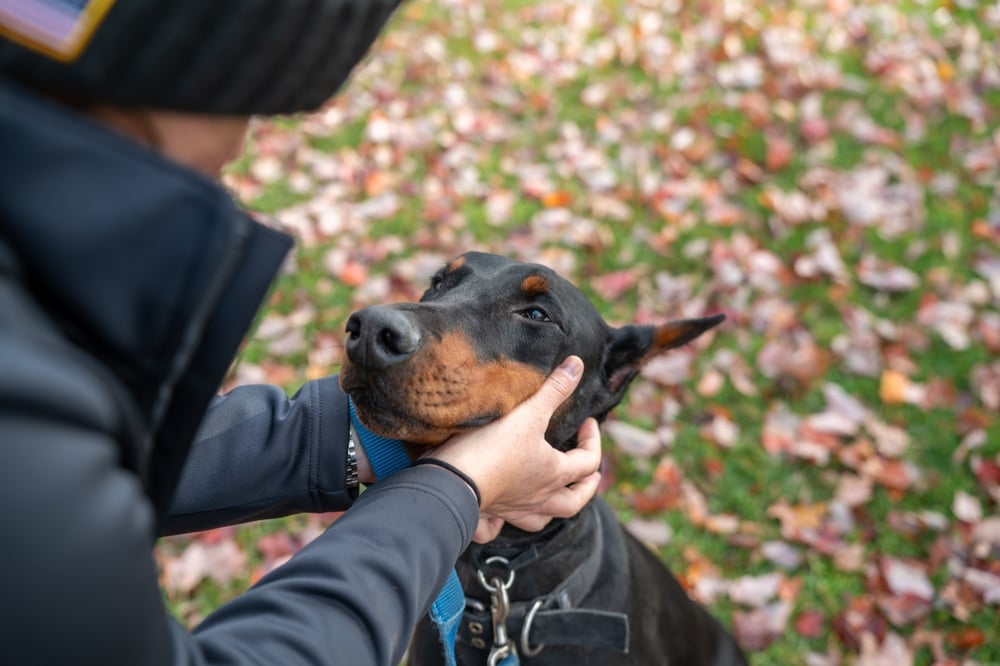
Hypothyroidism is one of the most commonly diagnosed endocrine disorders in dogs and is typically managed with lifelong thyroid hormone replacement prescribed by a veterinarian. The condition occurs when the thyroid gland does not produce sufficient thyroid hormone to support normal metabolic function.
Veterinarians most often use levothyroxine sodium for dogs to manage hypothyroidism. Because long-term treatment relies on consistent daily administration and individualized dosing, the prescribed formulation and dose accuracy play an important role in supporting stable management over time.
Many dogs do well on FDA-approved commercial levothyroxine products, while others may require adjustments or alternative formulations based on their individual needs.
This article explains the effects of hypothyroidism in dogs, how it is diagnosed, why levothyroxine is used and how veterinary compounding can support compliance when standard products are not the best fit.
What Is Hypothyroidism in Dogs?
Hypothyroidism in dogs occurs when the thyroid gland produces inadequate amounts of thyroid hormone, most commonly thyroxine (T4). Thyroid hormones regulate metabolism and influence many body systems, including:
- Energy
- Balance
- Skin and coat health
- Cardiovascular function
- Thermoregulation
What Are Hypothyroidism Symptoms in Dogs?
Hypothyroidism symptoms in dogs can include:
- Lethargy
- Weight gain
- Cold intolerance
- Hair thinning
- Recurrent skin and ear issues
Because these signs can overlap with other conditions, diagnosis is based on laboratory testing interpreted alongside clinical findings.
Veterinarians determine whether hypothyroidism is present and whether treatment is appropriate based on the individual dog’s history, exam findings and thyroid hormone testing.
How Is Hypothyroidism in Dogs Diagnosed?
Diagnosis typically involves blood testing to evaluate thyroid hormone levels. Depending on the clinical picture, veterinarians may assess:
- Total T4
- Free T4
- Thyroid-stimulating hormone (TSH)
- Additional tests to rule out non-thyroidal illness
Accurate diagnosis is essential before initiating therapy, as inappropriate supplementation can cause adverse effects.
Medication for Hypothyroidism in Dogs: How Is It Treated?
Levothyroxine Sodium
Levothyroxine sodium for dogs is a synthetic thyroid hormone used to replace deficient thyroxine levels under veterinary supervision. Levothyroxine is considered the standard prescription medication for canine hypothyroidism.
- What It Is: It is a synthetic form of thyroxine (T4) that is converted in the body to triiodothyronine (T3), the biologically active thyroid hormone responsible for many metabolic effects attributed to normal thyroid function. In healthy dogs, most circulating T3 is produced through peripheral conversion of T4 rather than being secreted directly by the thyroid gland.
- Goal: Restore circulating thyroid hormone levels to a range appropriate for the individual dog.
- Forms: Levothyroxine is available in several FDA-approved veterinary products as well as through compounding pharmacies when a dog’s needs cannot be met by commercially available strengths or dosage forms.
Veterinarians determine whether levothyroxine sodium for dogs is appropriate, the formulation and strength and how response is monitored over time.
Why Dosing Accuracy Matters in Canine Hypothyroidism
Thyroid hormone replacement is typically a lifelong therapy. Maintaining stable hormone levels depends on consistent daily administration and accurate dosing tailored to the individual dog.
Veterinarians consider multiple factors when determining and adjusting therapy over time, including:
- Body weight and condition
- Age and concurrent medical conditions
- Absorption variability between dogs
- Changes in health status or clinical response
Because commercially manufactured tablets are available only in fixed strengths, some dogs may fall between standard doses or require adjustments that are difficult to achieve without modification.
Can Levothyroxine Sodium for Dogs Be Compounded?
FDA-approved commercial levothyroxine products, like Thyro-tabs and others, are often the first-line option for dogs with hypothyroidism. Compounded formulations may be discussed when commercial options do not meet a dog’s specific dosing or administration needs.
For medications like levothyroxine that are given daily and often for life, compounding can support long-term adherence.
Veterinarians may consider compounded levothyroxine when:
- A dog requires a dose not available in commercial products
- Tablet size or swallowing difficulty affects administration
- Palatability issues interfere with adherence
- Dose adjustments are needed over time
Compounded formulations are prepared only with a valid prescription and are dispensed according to veterinarian direction.
Compounded Dosage Forms: Levothyroxine Sodium for Dogs
Common compounded forms include:
- Flavored oral liquids
- Capsules in customized strengths
- Mini-tabs for small dogs
The choice of formulation depends on the veterinarian’s prescription and the dog’s specific needs.
The Importance of Monitoring and Long-Term Management for Hypothyroidism in Dogs
Managing hypothyroidism is an ongoing process rather than a one-time decision. Veterinarians typically reassess dogs receiving thyroid hormone replacement through follow-up examinations and laboratory testing to evaluate response and ensure hormone levels remain appropriate.
Adjustments may be made as dogs age, experience weight or health changes or encounter administration challenges. As mentioned, consistency in dosing and formulation plays an important role in maintaining long-term stability.
Can I Get Pet Medication Delivery to My House? →
Frequently Asked Questions: Hypothyroidism in Dogs
What is the Most Common Medication Used to Treat Hypothyroidism in Dogs?
Levothyroxine sodium for dogs is the most commonly prescribed medication for canine hypothyroidism. It replaces deficient thyroid hormone and is prescribed and monitored by a veterinarian.
Do All Dogs with Hypothyroidism Need the Same Dose of Levothyroxine Sodium?
No. Dosing of levothyroxine sodium for dogs is individualized based on the patient’s size, health status and laboratory results. Veterinarians determine dosing and make adjustments as needed.
Why isn’t T3 usually prescribed for dogs with hypothyroidism?
T3 is not usually prescribed because healthy dogs naturally convert thyroxine (T4) into triiodothyronine (T3) within peripheral tissues as needed. Providing levothyroxine allows the body to regulate this conversion locally, which supports more physiologic thyroid hormone balance. Direct T3 supplementation may lead to fluctuations in hormone levels and is typically reserved for specific, veterinarian-directed situations rather than routine management.
Can Levothyroxine Sodium Be Compounded for Dogs?
Yes. When prescribed by a veterinarian, levothyroxine sodium for dogs may be compounded to provide customized strengths or alternative dosage forms that support consistent administration.
Is Compounded Levothyroxine Sodium for Dogs Safe?
Yes—as long as they are properly formulated, accurately prepared, and administered with veterinary oversight. Compounded medications are prescribed by veterinarians when clinically appropriate.
Choosing a PCAB®-accredited compounding pharmacy can add an additional layer of assurance, as these pharmacies are independently reviewed for their facilities, processes, ingredient sourcing, quality controls and ongoing compliance with compounding standards.
Can I Change My Dog’s Thyroid Medication on My Own?
No. Any changes to thyroid medication should be made only under the guidance of a veterinarian who is monitoring your dog’s condition.
Lifelong Support for Hypothyroidism in Dogs, Delivered With Care
Hypothyroidism is a common and manageable condition in dogs when appropriately diagnosed and treated under veterinary supervision.
Levothyroxine sodium for dogs remains the standard therapy, and because treatment is often lifelong, accurate dosing and consistent administration are important considerations.
Veterinary compounding may offer flexibility when commercial products do not meet a dog’s individual needs. Mixlab compounds levothyroxine and related formulations based on your veterinarian’s prescription, supporting individualized care for dogs with hypothyroidism.
Shop brand name and compounded levothyroxine medications for your dog at Mixlab. Once you place your order, our pharmacy team coordinates with your veterinarian for prescription approval, prepares the medication as directed and ships it fast and free to your doorstep.