
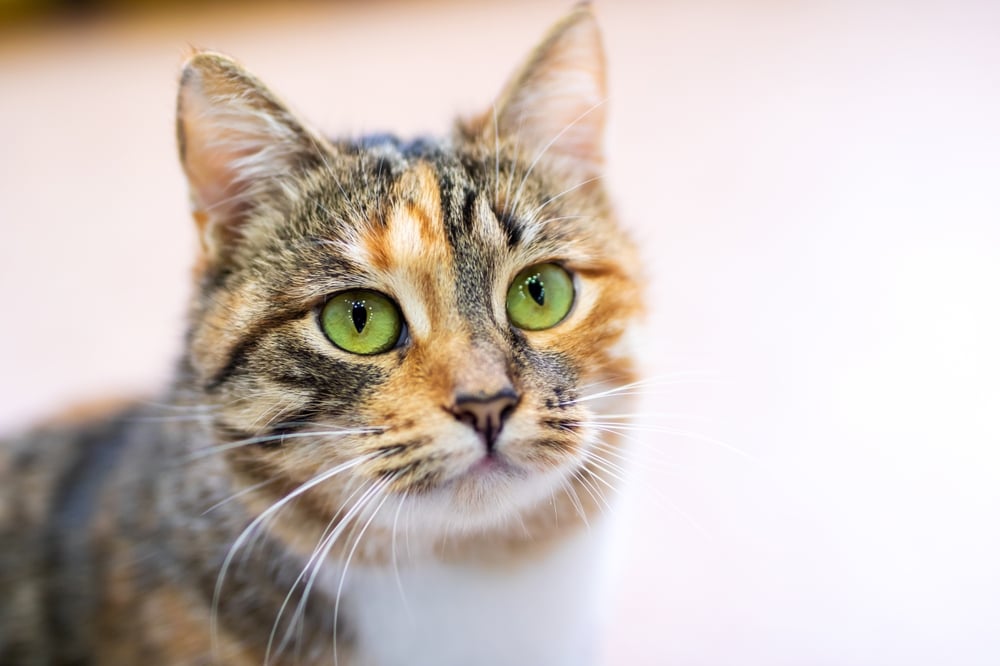
Fluoxetine for cats is a selective serotonin reuptake inhibitor (SSRI) that veterinarians may discuss when cats are experiencing certain behavioral conditions, including:
- Anxiety-related behaviors
- Inappropriate elimination or urine spraying
- Overgrooming
- Inter-cat aggression
It requires a valid prescription and is used under veterinarian direction as part of a broader behavioral management plan.
Because patients may resist pills, veterinarians often recommend compounded fluoxetine for cats. It can be customized into flavored oral liquids or transdermal fluoxetine for cats who struggle with its traditional form. Compounded fluoxetine for cats can make consistent at-home administration more achievable.
Got a Prescription? Place Your Order →
What Is Fluoxetine for Cats?
As an SSRI, fluoxetine for cats acts on serotonin pathways in the nervous system. In veterinary medicine, it is among the medications veterinarians may consider when a cat's behavioral presentation appears to have an underlying anxiety or compulsive component that has not responded adequately to environmental management alone.
Is Fluoxetine for Cats a Sedative?
No—fluoxetine for cats is not a sedative, and it is not intended to change your cat's fundamental personality.
It works through a different mechanism than medications used for sedation or acute anxiety. Any changes you observe in your cat's behavior or activity after starting fluoxetine should be communicated to your veterinarian.
How Quickly Does Fluoxetine for Cats Work?
Veterinarians typically plan to assess response over a period of 4-8 weeks. Fluoxetine for cats requires time to reach consistent levels. The medication does not produce immediate results.
This means patience is part of the plan. Veterinarians generally schedule a follow-up within that window to evaluate how the cat is doing, whether any adjustments are warranted and whether additional behavioral interventions may be helpful.
Is There a Brand Name of Fluoxetine for Cats?
For cats specifically, fluoxetine is not FDA-approved under any brand name.
Veterinarians prescribe it as generic fluoxetine, often sourced through a compounding pharmacy like Mixlab that can prepare it in an appropriate feline formulation.
The brand name Reconcile—a chewable fluoxetine product—is FDA-approved for use in dogs with separation anxiety, not cats.
When Is Fluoxetine for Cats Prescribed by Veterinarians?
A veterinarian will evaluate your cat's full history, physical health and specific behavioral presentation before recommending any course of action. Here are some specific scenarios where fluoxetine for cats may be appropriate.
#1 .Anxiety-Related Behaviors
Anxiety and stress-related behavioral conditions are among the most common reasons cats are surrendered or rehomed, according to the American Association of Feline Practitioners (AAFP). Pharmacological support is an important part of care in many of these cases.
View Techniques to Help With Cat Anxiety →
#2. Inappropriate Elimination or Urine Spraying
Veterinarians may discuss fluoxetine in the context of inappropriate elimination or urine spraying, particularly when a cat consistently urinates outside the litter box or marks vertical surfaces and environmental modifications have not resolved the issue.
When stress or anxiety appears to be a contributing factor, veterinarians may consider fluoxetine as one component of a comprehensive behavioral plan.
#3. Overgrooming
Overgrooming or psychogenic alopecia—where a cat grooms to the point of noticeable hair loss—is another presentation in which veterinarians may evaluate whether a compulsive or anxiety-related component is involved. Fluoxetine is one medication that may be discussed alongside behavioral assessment in these cases.
#4. Inter-Cat Aggression
In multi-cat households where inter-cat aggression persists despite environmental management, veterinarians may also discuss prescribing fluoxetine.
For cats showing persistent signs of anxiety—hypervigilance, hiding or difficulty settling in their environment—fluoxetine may be one option a veterinarian considers as part of a broader plan.
When Is Compounded Fluoxetine for Cats Considered?
Cats are among the most challenging patients when it comes to oral medication. A cat who refuses a pill or spits out a capsule cannot receive a consistent dose, which makes formulation choice a clinically meaningful decision. At Mixlab, nearly 4 in 10 feline fluoxetine prescriptions are filled as a transdermal cream — more than twice the rate of oral suspensions or chew treats. That preference reflects a real challenge: when a cat won't take a pill or liquid, transdermal administration isn't just more convenient, it's the difference between a consistent dose and no dose at all.
Available Forms of Compounded Fluoxetine for Cats
Compounded fluoxetine for cats requires a valid prescription from your veterinarian. These are the most common custom forms:
- Transdermal Fluoxetine for Cats: The medication can be compounded into a transdermal cream, applied to a cat’s inner surface of their ear flap, which bypasses the mouth entirely.
- Liquid Fluoxetine for Cats: Fluoxetine can be compounded into a flavored oral liquid, which may be easier to administer by mouth or mix into food.
See All Available Forms Here →
Frequently Asked Questions About Fluoxetine for Cats
Can Fluoxetine for Cats Be Compounded?
Yes, fluoxetine for cats is commonly prepared by compounding pharmacies because the standard commercial tablets are not labeled for feline use.
These custom formulations—including flavored oral liquids and transdermal fluoxetine for cats—may be discussed by your veterinarian as practical alternatives. No matter the formulation, fluoxetine requires a prescription from your veterinarian.
What Is the Difference Between Buspirone vs. Fluoxetine for Cats?
Both fluoxetine and buspirone are medications veterinarians may consider for cats with behavioral conditions, but they work through different mechanisms and may be discussed in different clinical contexts.
- Fluoxetine is an SSRI that acts on serotonin reuptake pathways and is typically evaluated over several weeks.
- Buspirone acts on serotonin receptors in a different way and may be discussed for different presentations.
Your veterinarian is the right person to evaluate which option, if either, is appropriate for your individual cat.
How Is Fluoxetine Different from Reconcile?
Reconcile is the brand name of a chewable fluoxetine product that is FDA-approved for use in dogs with separation anxiety. It is not labeled for cats.
Fluoxetine is the active ingredient in Reconcile, but when veterinarians prescribe fluoxetine for cats, they are prescribing the generic medication and typically sourcing it through a compounding pharmacy like Mixlab in a feline-appropriate formulation.
Does My Cat Need a Prescription for Fluoxetine?
Yes. Fluoxetine is a prescription medication that requires a valid veterinarian-client-patient relationship.
Your veterinarian will evaluate your cat before recommending fluoxetine and will monitor response over time. Orders through Mixlab require a prescription from a licensed veterinarian.
Can Fluoxetine for Cats Be Used Long Term?
Veterinarians may discuss both short-term and longer-term use depending on a cat's behavioral history and how they respond over time.
Duration is determined by the veterinarian based on ongoing assessment, and the approach may evolve as your cat's situation changes.
How Does Fluoxetine Fit Into a Behavioral Treatment Plan?
Medication is rarely a standalone solution for behavioral conditions in cats. Veterinarians who discuss fluoxetine typically do so as one component of a broader plan that may include:
- Environmental modifications
- Litter box management
- Enrichment
- Behavioral consultation
Ongoing veterinarian involvement is essential as the plan evolves. Response to fluoxetine is assessed over time and the approach may be adjusted based on your cat's progress.
What Is the Fluoxetine Dosage for Cats?
Fluoxetine dosing for cats is weight-based and determined by your veterinarian based on your pet's size, age, health history and the condition being treated. Timing and frequency will also vary. Your veterinarian will prescribe the specific dose and schedule appropriate for your cat — do not adjust the dose without consulting them first.
Does Fluoxetine Interact With Other Medications?
Fluoxetine can interact with certain other medications, so it is important to give your veterinarian a complete picture of everything your cat is currently taking — including any supplements. Medications that affect serotonin levels are of particular concern and should always be disclosed. Your veterinarian will evaluate potential interactions before prescribing and will let you know if any adjustments are needed.
What Should I Do If My Cat Misses a Dose of Fluoxetine?
If you miss a dose, give it as soon as you remember — unless it is close to the time of the next scheduled dose, in which case skip the missed dose and continue as normal. Never give two doses at once to make up for a missed one. If you are unsure what to do, contact your veterinarian for guidance.
Key Takeaway
Fluoxetine for cats is a prescription SSRI that veterinarians may discuss for inappropriate elimination or urine spraying, overgrooming, inter-cat aggression or anxiety-related behaviors.
It is not a fast-acting medication—a veterinarian will typically plan an assessment window of several weeks—and it is typically discussed as part of a broader behavioral plan developed with your veterinarian's guidance.
Because standard commercial tablets are not labeled for feline use, compounded fluoxetine for cats is a commonly considered option. If your veterinarian has recommended fluoxetine for your cat, take a look at the compounded formulations available through Mixlab. A valid prescription is required for all orders.