Feline hypertension is often a silent condition, with many cats showing no obvious signs until serious complications have already developed. Early detection gives veterinarians and pet parents the opportunity to intervene before serious complications involving the eyes, kidneys, heart or brain develop. This guide covers how to recognize feline hypertension symptoms, understand the underlying causes, and select the right compounded or branded medications for your patients.
What is Feline Hypertension?
| Feline hypertension is a condition in which a cat's blood pressure consistently exceeds normal levels, often as a result of an underlying health issue. A systolic blood pressure above 150 to 160 mmHg is generally considered elevated and may indicate hypertension. |
The condition is classified into two types. Primary hypertension occurs without an identifiable cause. Secondary hypertension results from another medical condition and is far more common, accounting for approximately 80% of all feline hypertension cases.
Because hypertension in cats is typically asymptomatic in early stages, routine blood pressure monitoring during wellness exams is the most reliable way to detect it before complications arise.
Why Early Detection Matters
Without treatment, feline hypertension can cause significant, often irreversible damage to major organ systems. The eyes are particularly vulnerable: unchecked hypertension can lead to retinal detachment or sudden blindness. The kidneys, heart and brain are also at risk, with prolonged high blood pressure capable of impairing their function and contributing to life-threatening conditions.
Identifying hypertension early gives you the opportunity to intervene before these complications develop. Educating pet parents on the importance of routine blood pressure screening can support consistent follow-through with monitoring recommendations.
How to Screen for Feline Hypertension
A Doppler or oscillometric blood pressure device is the primary tool for detecting feline hypertension. For accurate readings:
- Allow the cat to acclimate to the exam room before taking measurements
- Take multiple readings per visit to account for stress-related elevation
- Confirm diagnosis over several visits rather than from a single reading
- Flag a systolic reading consistently above 150 to 160 mmHg for further evaluation
Alongside blood pressure screening, evaluate each cat for underlying conditions. Because secondary hypertension is the most common form, identifying a contributing cause is a necessary part of the diagnostic process.
What Are the Symptoms of Feline Hypertension?
Feline hypertension symptoms vary depending on the stage of the condition and which organ systems are affected. Many cats remain asymptomatic in the early stages, making clinical screening essential.
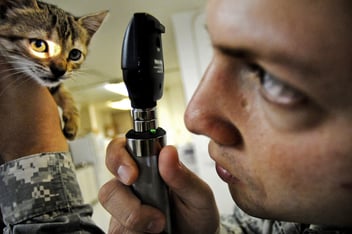
Ocular symptoms are often the first signs pet parents notice:
- Dilated or unresponsive pupils
- Visible blood in the eye
- Difficulty navigating familiar surroundings
- Sudden or progressive vision loss
These symptoms require prompt veterinary attention to prevent permanent vision loss.
Advanced-stage symptoms are typically linked to organ involvement:
- Neurological (brain): Seizures, disorientation, loss of balance or sudden behavioral changes
- Renal (kidneys): Increased thirst, frequent urination, vomiting, lethargy or reduced appetite
- Cardiac (heart): Rapid or labored breathing, abnormal heart sounds or murmurs
Encouraging pet parents to report any of these changes promptly can meaningfully improve outcomes through earlier intervention.
What Causes Feline Hypertension?
Secondary hypertension is the most common form of feline high blood pressure, meaning an underlying condition is typically responsible. Understanding the most common contributing factors can help guide your diagnostic workup.
Underlying conditions associated with secondary hypertension include:
- Chronic kidney disease
- Hyperthyroidism
- Hyperaldosteronism
- Cushing's disease (hyperadrenocorticism)
- Diabetes mellitus
- Pheochromocytoma
Medications that may elevate blood pressure as a side effect include corticosteroids and phenylpropanolamine.
Age is also a significant risk factor. Cats aged 10 years or older are at greater risk of developing hypertension and should be screened regularly, even in the absence of symptoms.
In rare cases, no identifiable cause is found. Regardless, a thorough diagnostic workup that accounts for these factors is important before establishing a treatment plan.
Feline Hypertension Treatment Options
Medication is the cornerstone of managing feline hypertension. Because cats can be particularly difficult to medicate, compounded formulations that offer flexibility in form, strength and flavor can meaningfully improve owner compliance and treatment success.
At Mixlab, we compound medications in a range of forms and flavors to align with your personalized treatment plans. All medications listed below require a veterinarian's prescription.
Amlodipine
Amlodipine is a calcium channel blocker and the most commonly prescribed medication for feline hypertension. Amlodipine is a calcium channel blocker and the most commonly prescribed medication for feline hypertension. It is often selected as a first-line option, including for cases of primary hypertension.
Mixlab offers amlodipine in the following compounded forms:
- Capsules
- Oral liquid
- Transdermal cream
- Chewable formulations
Telmisartan
Telmisartan is an angiotensin II receptor blocker (ARB) that is especially well-suited for hypertensive cats with concurrent kidney disease. Telmisartan is an angiotensin II receptor blocker (ARB) that is often selected for hypertensive cats with concurrent kidney disease.
Mixlab offers telmisartan in the following forms:
- Capsules
- Tablets
- Oral liquid
- Chewable formulations
Benazepril
Benazepril is an angiotensin-converting enzyme (ACE) inhibitor that is often considered for cats with both hypertension and renal involvement. It may be discussed in cases where proteinuria is also a clinical concern. Benazepril can additionally be used in the management of feline heart failure.
Mixlab compounds benazepril in the following forms:
- Capsules
- Tablets
- Oral liquid
- Transdermal cream
- Chewable formulations
Enalapril
Enalapril is an ACE inhibitor that may be considered for cats with hypertension, including those with concurrent cardiac or renal concerns. It can be useful in managing heart failure in cats, though close patient monitoring is recommended.
Mixlab offers enalapril in the following forms:
- Tablets
- Oral liquid
- Transdermal cream
- Chewable formulations
Supportive Management for Hypertensive Cats
Medication management works best alongside supportive care. Consider sharing the following recommendations with pet parents:
- Dietary modification: A low-sodium diet may help support blood pressure control in appropriate patients.
- Stress reduction: A calm, low-stimulation home environment can help minimize situational blood pressure elevations.
- Ongoing monitoring: Consistent veterinary follow-up is essential for assessing treatment response. At-home blood pressure monitoring may be appropriate for select patients.
Frequently Asked Questions About Feline Hypertension
What is considered high blood pressure in cats?
A systolic blood pressure consistently above 150 to 160 mmHg is generally considered elevated in cats. Readings above 180 mmHg indicate severe hypertension and warrant prompt veterinary attention.
What causes high blood pressure in cats?
Approximately 80% of feline hypertension cases are secondary to an underlying condition. The most common causes include chronic kidney disease, hyperthyroidism and hyperaldosteronism. Less commonly, medications such as corticosteroids may contribute. In rare cases, no identifiable cause is found (primary hypertension).
What are the signs of hypertension in cats?
Many cats with hypertension show no obvious signs in early stages. When symptoms do appear, they often involve the eyes (dilated pupils, sudden vision changes or blindness), the kidneys (increased thirst, frequent urination), the brain (seizures, disorientation) or the heart (labored breathing, abnormal heart sounds).
How is feline hypertension diagnosed?
Diagnosis involves measuring blood pressure with a Doppler or oscillometric device over multiple visits, ruling out white-coat hypertension. A thorough workup for underlying conditions is also recommended, as secondary hypertension is far more common than primary.
What is the first-line treatment for feline hypertension?
Amlodipine is generally considered the first-line medication for feline hypertension due to its efficacy and tolerability. For cats with concurrent kidney disease, telmisartan is often preferred for its renal-protective properties. Treatment selection should be individualized based on the patient's full clinical picture.
Can feline hypertension be cured?
When hypertension is secondary to a treatable underlying condition, addressing that condition may reduce or resolve elevated blood pressure. In cases of primary hypertension, or where the underlying cause cannot be fully resolved, long-term medication management is typically required. Many cats live comfortably with appropriate treatment and monitoring.
Is feline hypertension common?
Hypertension is increasingly recognized in cats, particularly in older populations. Cats aged 10 years or older are at significantly higher risk and should be screened routinely, even without presenting symptoms.
Feline Hypertension Medications from Mixlab
Managing feline hypertension requires a personalized approach for every patient. Mixlab offers a wide range of branded, generic and compounded medications in customized dosages, flavors and forms to make treatment as manageable as possible for pet parents and their cats.
Our streamlined prescription process and next-day delivery help ensure you receive your medications without delay. You can order online and we'll contact you for the prescription, or direct your clients to reach out to you directly to learn more about their options.