Horse colic is one of the most common and potentially serious conditions equine owners and veterinarians encounter. Because it can range from mild and short-lived to a life-threatening emergency, understanding the signs early can make all the difference.
What Is Colic in a Horse?
Colic is a broad term used to describe abdominal pain in horses. It is a clinical symptom rather than a single diagnosis, meaning colic can result from a range of gastrointestinal conditions affecting the stomach, intestines or other abdominal organs.
The pain associated with colic often stems from the digestive system’s inability to process food properly, whether due to distention, inflammation or displacement of the intestines. Mild cases may resolve with basic care, while severe cases can become life-threatening if left untreated. According to Merck Veterinary Manual, colic is the leading cause of premature death in domestic horses, which is why early recognition matters.
How Can a Horse Get Colic?
Several factors can contribute to colic in horses, ranging from diet and environment to underlying health conditions. Common causes include:
- Buildup or Blockages: Undigested food, debris or gas accumulation can create intestinal blockages, leading to abdominal pain and other colic symptoms.
- Twisted or Displaced Intestines: Twisting or displacement of the intestines causes extreme pain and prevents the normal flow of food, fluid and gas.
- Bacterial Infection: Certain infections can inflame the GI tract and sometimes lead to excess gas production during digestion.
- Sudden Diet Changes: Switching feed types abruptly (from hay to grain, for example) can disrupt digestion and trigger colic.
- Dehydration: Insufficient water intake causes the intestines to become dry and sluggish, which can contribute to colic or worsen an existing episode.
- Poor-Quality Feed: Moldy or low-quality feed can irritate the digestive tract and contribute to colic.
- Parasites: Intestinal parasites can damage the GI lining and disrupt normal digestion.
- Stress: Transport, routine changes, weather shifts or other stressors may increase a horse’s risk of developing colic.
Horses with a history of dental problems, high stress levels or frequent NSAID use are also considered higher risk. Age plays a role too — foals, yearlings and horses over 10 years old may be more susceptible to certain GI conditions.
What Are the Symptoms of Horse Colic?
Most horse colic symptoms are behavioral. Changes in how a horse acts are often the first signal that something is wrong. Common signs include:
- Lying down or rolling on their side
- Curling the upper lip and arching the neck
- Pawing at the ground repeatedly with a front foot
- Looking, biting or kicking at the flank or abdomen
- Raising a rear leg or kicking at the belly
- Poor appetite or refusing to eat
- Lethargy or depression
- Distended abdomen
- Straining to have a bowel movement
- Fewer bowel movements than normal
In more severe cases, you may also notice an elevated heart rate, sweating, rapid or labored breathing and pale or tacky gums. Because horses vary in how they express pain, knowing your horse’s normal behavior is essential to spotting a change early.
How Do Veterinarians Diagnose Horse Colic?
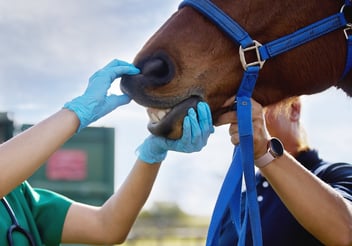
If you notice any signs of colic, especially those suggesting a severe episode, contact a veterinarian as soon as possible. A thorough evaluation helps identify the cause and guides the treatment plan.
Diagnostic approaches your veterinarian may use include:
- Nasogastric Tube: Passed through the nose into the stomach to relieve fluid buildup that could cause a rupture, or to administer fluid therapy for dehydration.
- Rectal Palpation: Used to check for blockages, impaction or displacement of the intestines.
- Abdominocentesis: A needle is inserted into the abdominal cavity to remove fluid, which can be analyzed for signs of infection or inflammation.
- Ultrasound: Provides a detailed view of abdominal organs to detect twisting, displacement, tumors or other issues.
- Bloodwork: Blood tests can assess overall health and detect inflammation, infection, dehydration or organ stress in more serious cases.
What Are the Treatment Options for Horse Colic?
Once your veterinarian identifies the cause and severity of the colic, they will develop a treatment plan tailored to your horse’s specific needs. Treatment options vary depending on the type of colic involved.
Flunixin meglumine (commonly known as Banamine) is an NSAID that veterinarians may prescribe for pain and inflammation associated with colic. It should always be administered under veterinary guidance and does not address the underlying cause of the colic.
For cases involving a blockage, displacement, twisted intestine or tumor that do not respond to medical management, surgery may be necessary. Early surgical intervention improves the prognosis and reduces the risk of further complications. A veterinarian will assess whether surgery is appropriate and may prescribe additional medications before, during or after the procedure.
Looking for equine medications?
Mixlab’s full-service pharmacy carries a range of compounded and commercial medications to support horses through treatment and recovery — with fast, free delivery. Veterinarians can submit prescriptions online.
Shop now → | See how it works →
How Can Owners Support a Horse with Colic?
In addition to veterinarian-directed treatment, owners can take supportive steps to help their horse through a colic episode.
- Gentle walking: If tolerated, light walking may help stimulate the digestive system and relieve gas buildup.
- Ongoing monitoring: Keep a close watch on behavior, appetite and overall condition in case symptoms change.
- Soothing rubs: Gentle abdominal massage can provide comfort and encourage muscle relaxation.
- Hydration checks: Ensure your horse has constant access to fresh water.
- Dental care: Regular dental checks help prevent impaction colic related to poorly chewed food or dental disease.
- Parasite prevention: Consistent deworming reduces the risk of colic from parasitic infestations.
- Pasture turnout: Regular, stress-free grazing time supports healthy digestion and may lower colic risk overall.
Frequently Asked Questions About Horse Colic
What is horse colic?
Colic is a general term for abdominal pain in horses. It is a clinical symptom rather than a single disease, meaning it can stem from many different GI conditions, ranging from mild gas buildup to serious intestinal displacement or twisting. Because colic can worsen quickly, any suspected episode should be evaluated by a veterinarian promptly.
What are signs of horse colic?
The most common signs include pawing at the ground, lying down or rolling, kicking or biting at the flank, poor appetite, lethargy and reduced bowel movements. More severe cases may also involve an elevated heart rate, sweating and pale or dry gums. Any combination of these signs warrants a call to your veterinarian.
How can a horse get colic?
Colic can develop from a range of causes including sudden diet changes, dehydration, intestinal blockages, parasites, poor-quality feed, bacterial infections and stress. Horses with dental issues or a history of frequent NSAID use may also face higher risk.
What are the different types of horse colic?
The most common types are gas colic (caused by gas buildup in the large intestine or cecum), impaction colic (caused by a blockage of digested material) and spasmodic colic (caused by irregular intestinal contractions). Displacement and strangulation colic are more serious types that may require surgical intervention to resolve.
When should I call a veterinarian for horse colic?
Contact a veterinarian as soon as you notice signs of colic. Even mild symptoms can escalate quickly. Signs like an elevated heart rate, continuous rolling, visible distress or changes in gum color indicate a potentially serious episode that requires urgent attention.
How do veterinarians treat horse colic?
Treatment depends on the type and severity of the colic. Veterinarians may prescribe pain management medications, administer fluids via nasogastric tube or recommend surgery for severe cases involving blockages, displacement or intestinal twisting.
Can horse colic be prevented?
While not all colic is preventable, several management practices lower the risk. These include maintaining a consistent forage-based diet, ensuring constant access to fresh water, following a regular deworming schedule, scheduling routine dental care and allowing regular pasture turnout to reduce stress and support healthy digestion.