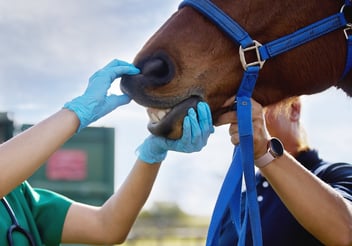
Horses can experience pain from a wide range of sources, including injuries and chronic medical conditions. When left unaddressed, horse pain can contribute to complications such as lameness, decreased performance and behavioral changes. Chronic discomfort can also have lasting effects on a horse's physical and mental well-being, affecting their ability to engage in daily activities.
Working with your veterinarian to find the right equine pain relief approach is key to keeping your horse comfortable and healthy.
What Causes Pain in Horses?
Identifying the underlying cause of a horse's pain is essential for effective equine pain relief. Veterinarians play a crucial role in diagnosing and addressing the source of discomfort to support the well-being of equine patients.
Common reasons for horse pain include:
- Injuries: Traumatic injuries such as fractures, sprains and lacerations can cause pain in horses, often resulting from accidents, falls or collisions.
- Musculoskeletal issues: Conditions like arthritis and tendonitis can contribute to chronic pain. Overexertion, improper training or genetic factors may play a role.
- Dental problems: Sharp enamel points, tooth abscesses, EOTRH or malocclusions can cause oral discomfort, affecting a horse's ability to eat and perform.
- Gastrointestinal disorders: Colic, ulcers and other GI issues are common sources of abdominal pain in horses.
- Hoof problems: Laminitis, abscesses and hoof cracks can cause localized discomfort that affects mobility and overall comfort.
- Joint issues: Degenerative joint diseases like osteoarthritis can cause chronic discomfort, stiffness and decreased range of motion in the affected joints.
- Neurological conditions: Conditions such as equine protozoal myeloencephalitis (EPM) or spinal cord injuries can contribute to neuropathic pain, affecting coordination and mobility.
- Overexertion: Intense physical activity or overtraining without proper conditioning can result in muscle soreness, fatigue and discomfort.
Working with your veterinarian to determine whether pain is acute or chronic is an important part of developing the right management plan.
Acute vs. Chronic Pain: Acute pain tends to be sudden and often resolves with appropriate treatment. Chronic pain is persistent and typically related to long-term conditions. Both types of pain may require ongoing care.
How Can You Tell If a Horse Is in Pain?
Horses show pain through a combination of behavioral and physical signs. Recognizing horse pain early is critical for timely intervention.
Behavioral signs to watch for:
- Decreased appetite or changes in eating habits
- Reluctance to move or work
- Increased aggression or irritability
- Signs of depression or withdrawal
Physical signs to watch for:
- Swelling or heat in a specific area
- Limping or uneven gait
- Changes in posture or resting habits
- Altered facial expressions or muscle tension around the eyes or jaw
If you notice any of these changes, contact your veterinarian right away. Early detection allows for more treatment options and a better path forward for your horse's care.
What Equine Pain Relief Treatments Are Available?
There are a variety of equine pain medication options and non-pharmaceutical approaches your veterinarian may recommend. Prescription medications require a veterinarian's authorization. Never administer equine pain medication without guidance from a licensed veterinarian.
|
Medication Type |
Examples |
Used For |
Administration |
Rx Required? |
|
NSAIDs |
Phenylbutazone, Flunixin meglumine, Firocoxib |
Inflammation management and pain support |
Oral, paste, IV |
Yes |
|
Opiods |
Butorphanol, Morphine, Methadone |
Moderate to severe pain support |
IV, IM |
Yes |
|
Corticosteroids |
Isoflupredone acetate, Prednisolone |
Joint and inflammation management |
Oral, injectable |
Yes |
|
Local Anesthetics |
Lidocaine, Mepivacaine |
Localized pain management during procedures |
Injectable |
Yes |
|
Natural Analgesics |
Sarracenia |
Neurological pain support |
Varies |
Yes |
Pharmaceutical Approaches
- Nonsteroidal Anti-inflammatory Drugs (NSAIDs): Among the most commonly prescribed equine pain medications, your veterinarian may recommend NSAIDs such as phenylbutazone, flunixin meglumine or firocoxib for anti-inflammatory support and pain management.
- Opioids: Morphine, butorphanol, methadone and other opioids may be used for moderate to severe pain, though they require careful monitoring due to potential side effects.
- Corticosteroids: Prescription medications such as isoflupredone acetate and prednisolone are used for inflammation management, particularly for joint-related conditions.
- Local Anesthetics: Used for localized pain management during specific procedures.
- Natural Analgesics: Sarracenia is a naturally occurring analgesic used for neurological pain support in horses.
Non-Pharmaceutical Approaches
- Acupuncture: Used for musculoskeletal conditions, GI issues and neurological disorders.
- Chiropractic Care: Used to address musculoskeletal conditions such as lameness, stiffness and posture concerns.
- Massage Therapy: Used to address muscle tension and circulation, particularly as part of exercise recovery for performance horses.
- Laser Therapy: A non-invasive option used for soft tissue conditions and chronic pain support.
Physical Therapy and Rehabilitation
Targeted physical therapy techniques such as stretching and controlled exercise can support mobility and recovery. Consult your veterinarian about specific exercises tailored to your horse's condition. Post-injury or post-surgery rehabilitation programs are also an important component of a comprehensive recovery plan.
Nutritional and Supplemental Approaches
An anti-inflammatory diet incorporating omega-3 fatty acids — from flaxseed or fish oil — can be a useful component of your horse's overall health plan. Omega-3s support joint health as part of a well-rounded nutritional approach. A healthy diet also reduces the risk of obesity-related conditions that can contribute to ongoing discomfort.
How to Be Proactive in Your Horse's Pain Management
Preventing or catching horse pain early is integral to your horse's health and peak performance. Consider these proactive strategies:
- Regular Veterinarian Checkups: Early detection and intervention can prevent minor issues from developing into larger ones.
- Thoughtful Training and Conditioning: Properly conditioning your horse can reduce the risk of overuse injuries.
- Balanced Diet and Nutrition: A well-rounded diet supports overall health and can reduce the risk of weight-related conditions such as laminitis.
- Hoof Care: Regular trimming and shoeing support hoof health and comfort.
- Adequate Rest: Ensuring your horse gets sufficient rest benefits overall well-being, especially since painful conditions may affect sleep quality.
Where to Buy Equine Pain Medications
From branded, generic and commercial medications to custom compounds and a full range of equine supplements, Mixlab makes it easier than ever to get your horse the treatment they need with free two-day standard shipping. All medications require a veterinarian's prescription.
Talk to your veterinarian about using Mixlab for your horse’s medications.
Frequently Asked Questions About Horse Pain
What is the best pain relief for horses?
The right equine pain relief approach depends on the source and severity of your horse's discomfort. NSAIDs like phenylbutazone and flunixin meglumine are among the most commonly prescribed equine pain medications, but only a licensed veterinarian can determine the appropriate medication and dosage for your horse. Contact your veterinarian for a personalized recommendation.
What can I give my horse for pain?
You should not administer any equine pain medication without veterinarian guidance. Many medications require a prescription, and incorrect dosing can cause serious complications. Contact your veterinarian to discuss appropriate options for your horse's specific condition.
Can you give a horse ibuprofen or aspirin?
No. Human medications like ibuprofen should not be given to horses. Always use veterinarian-prescribed equine pain medications formulated specifically for horses, and never administer any medication without veterinarian guidance.
How long can horses safely take NSAIDs?
Long-term NSAID use requires careful veterinarian oversight. Prolonged use may be associated with gastrointestinal and renal effects. Ongoing research continues to evaluate the long-term safety of specific NSAIDs for horses on extended regimens. Your veterinarian is your best resource for guidance.
What are natural equine pain relief options?
Some veterinarians incorporate natural approaches such as Sarracenia (a naturally occurring analgesic), omega-3 fatty acid supplementation, acupuncture and massage therapy as part of a broader equine pain management plan. These are typically used alongside, not instead of, veterinarian-prescribed treatments.
How can I tell if my horse is in pain?
Chronic pain in horses can be subtle. Signs may include persistent lameness, changes in behavior or temperament, decreased appetite, reluctance to work or changes in posture. If you notice these signs, schedule a veterinarian evaluation to identify the underlying cause and develop an appropriate care plan.