When your cat develops an infection—whether it’s a skin wound, a respiratory illness or a urinary tract issue—your veterinarian may prescribe an antibiotic.
Antibiotics for cats play a critical role in fighting bacterial infections and preventing complications, but they must be used responsibly to keep your cat safe and avoid antibiotic resistance.
This guide explains what antibiotics are used for in cats, which medications veterinarians commonly prescribe, what side effects to watch for and how compounded antibiotics can make treatment easier for both you and your cat.
Why Do Cats Need Antibiotics?
Antibiotics for cats are used to treat bacterial infections, not viral or fungal diseases. Your veterinarian will diagnose the infection and determine which class of antibiotic is most appropriate based on the location of the infection, your cat’s medical history and sometimes diagnostic testing like cultures or sensitivity tests.
Because cats metabolize medications differently from humans and dogs, they require species-appropriate dosing and veterinary oversight.
Which Conditions Require Antibiotics for Cats?
- Skin infections (abscesses, bite wounds, cellulitis)
- Upper respiratory bacterial infections
- Urinary tract infections (UTIs)
- Dental infections
- Gastrointestinal bacterial overgrowth
- Tick-borne bacterial diseases
- Pneumonia
- Post-surgical infection prevention
Must-Know Tips for Pet Owners About Antibiotics for Cats
Antibiotics for cats are powerful tools, but they must be used exactly as prescribed. Giving the wrong dose, stopping treatment too early or using an inappropriate antibiotic can worsen the infection or create drug-resistant bacteria.
Pet parents should always:
- Finish the full course, even if the cat seems better
- Give doses at the correct intervals
- Monitor for side effects
- Avoid using leftover medications or antibiotics prescribed to another pet
- Never use human antibiotics without explicit veterinary direction (more below)
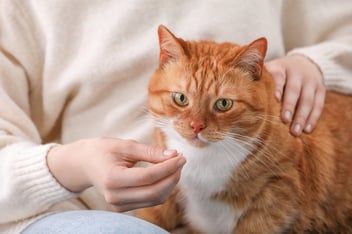
If your cat struggles to take pills, compounding can make antibiotic treatment much easier. Mixlab can compound many antibiotics for cats into flavored liquids, soft chews, capsules or transdermal creams depending on the drug’s properties and your veterinarian’s guidance.
What Are the Most Common Antibiotics for Cats?
Below is an overview of some of the most common antibiotics for cats. Only a veterinarian can determine the correct antibiotic and dose for your cat.
#1. Amoxicillin & Amoxicillin–Clavulanate (Clavamox®)
Amoxicillin–clavulanate is a broad-spectrum beta-lactam antibiotic that treats common bacterial infections in cats by disrupting bacterial cell wall formation.
When combined with clavulanic acid (as in Clavamox), the medication becomes effective against a broader range of bacteria, including some that produce enzymes designed to resist antibiotics. This combination makes it a common first-line choice for many soft tissue, dental and UTIs in cats.
Used for:
- Bite wounds
- Dental infections
- Skin infections
- UTIs
- Some respiratory infections
Compounding forms available:
- Flavored liquids
- Capsules
#2. Doxycycline
Doxycycline is a tetracycline antibiotic commonly used in cats to treat respiratory and tick-borne bacterial infections by inhibiting bacterial protein synthesis.
It’s particularly effective against respiratory pathogens, tick-borne organisms and certain intracellular bacteria. Because doxycycline can irritate the feline esophagus, veterinarians often prefer compounded liquid or capsule forms to improve safety and comfort.
Used for:
- Respiratory infections
- Tick-borne diseases (e.g., Mycoplasma, Anaplasma)
- Some cases of feline infectious respiratory disease complex
Compounding forms available:
- Flavored liquids
- Soft chews
- Capsules
#3. Azithromycin
Azithromycin is a long-acting macrolide antibiotic that concentrates in tissues and is used in cats for certain respiratory and atypical bacterial infections.
It concentrates well in tissues and has a long half-life in cats, allowing for less frequent dosing. This makes it useful for respiratory infections and certain atypical bacterial infections where prolonged antimicrobial activity is beneficial.
Used for:
- Upper respiratory infections
- Certain atypical bacterial infections
- Bartonella infections
Compounding forms available:
- Flavored liquids
- Chews
- Capsules
#4. Metronidazole
Metronidazole is an antimicrobial medication used in cats to treat anaerobic bacterial and gastrointestinal infections by disrupting bacterial DNA synthesis.
In cats, it’s most often used for gastrointestinal infections and inflammatory bowel conditions involving bacterial imbalance. Because the medication is extremely bitter, compounding into flavored formulations can significantly improve compliance.
Used for:
- GI infections
- Diarrhea related to bacterial imbalance
- Anaerobic infections
Compounding forms available:
- Flavored liquids
- Capsules
- Tiny tablets
#5. Cephalexin
Cephalexin is a first-generation cephalosporin antibiotic used to treat skin and soft tissue infections in cats by targeting bacterial cell walls.
It is commonly prescribed for skin and soft tissue infections caused by susceptible bacteria. While effective, it can upset the stomach in some cats and compounded versions may help make dosing easier and more tolerable.
Used for:
- Skin and soft tissue infections
- Wounds
- Pyoderma
Compounding forms available:
- Flavored liquids
- Capsules
#6. Clindamycin
Clindamycin is a lincosamide antibiotic prescribed for cats to treat dental, bone and anaerobic bacterial infections by inhibiting bacterial protein production.
In feline medicine, it’s frequently used for dental infections, abscesses and bone infections. Because it can cause gastrointestinal upset, dosing accuracy and formulation play an important role in tolerability.
Used for:
- Dental infections
- Bone infections
- Abscesses
- Some soft tissue infections
Compounding forms available:
- Flavored liquids
- Capsules
- Chews
What Are the Side Effects of Antibiotics for Cats?
Side effects of antibiotics for cats may include:
- Vomiting or nausea
- Diarrhea
- Reduced appetite
- Drooling (especially with bitter medications)
- Lethargy
- Allergic reactions (rare but serious)
Side effects vary depending on the medication, dose and individual sensitivity. If your cat refuses medication due to taste or texture, a compounded version can dramatically improve success.
Do Compounded Antibiotics for Cats Make Treatment Easier?
Yes—in many cases, they do.
Many cats struggle with antibiotics because they:
- Hate pills
- Cannot tolerate strong medication tastes
- Need precise dosing due to size or underlying conditions
- Require long-term therapy
Mixlab can work with your veterinarian to compound antibiotics into:
- Flavored liquids (chicken, tuna, beef, etc.)
- Flavored soft chews
- Small capsules or tablets
- Transdermal creams (only for medications proven effective transdermally)
Compounding improves compliance, reduces stress and ensures accurate dosing—especially for hard-to-medicate cats.
Frequently Asked Questions: Antibiotics for Cats
What Is the Best Antibiotic for Cats?
There is no single “best” antibiotic. The most effective medication depends on the type of bacteria, the location of the infection, your cat’s medical history and sometimes culture results.
Veterinarians commonly use amoxicillin-clavulanate, doxycycline, azithromycin, clindamycin or cephalexin, depending on the diagnosis. Only a veterinarian can choose the correct antibiotic.
Can I Get Antibiotics for Cats Without Seeing a Veterinarian?
No. Antibiotics require a veterinary prescription because using the wrong drug or the wrong dose can harm your cat or create antibiotic-resistant bacteria.
If you suspect an infection, your cat must be examined by a veterinarian for diagnosis and a safe treatment plan.
Can I Give Human Antibiotics to My Cat?
No. Never give a cat human antibiotics unless a veterinarian explicitly instructs you to.
Many human medications are unsafe in cats, can cause toxic reactions or are dosed differently based on feline metabolism. Always consult your veterinarian before giving any medication.
Can I Buy Amoxicillin for Cats Over the Counter?
No. Amoxicillin is a prescription-only antibiotic. If your cat needs treatment, your veterinarian will determine the correct drug and dose and Mixlab can compound it into a form your cat will take willingly.
What Kind of Medicine Can I Give a Cat for an Infection at Home?
There are no safe over-the-counter antibiotics for cats. Infections require professional diagnosis, because the wrong treatment can make the condition worse.
If you think your cat has an infection, schedule a veterinary exam promptly.
Why Does My Cat Need a Full Course of Antibiotics?
Stopping treatment early, even if your cat looks better, can allow bacteria to regrow or become resistant.
Always complete the full course unless your veterinarian instructs otherwise.
Antibiotics for Cats Without the Daily Dosing Struggle
Antibiotics for cats are essential tools for treating bacterial infections, from skin wounds to UTIs and respiratory illnesses. But they must be used responsibly, prescribed appropriately and given in correct formulations.
Whether your cat needs amoxicillin, doxycycline, clindamycin or another antibiotic, Mixlab can compound medications into flavored liquids, chews, capsules or transdermal creams to make treatment easier and more successful.
With fast compounding and next-day shipping straight to your doorstep, Mixlab makes getting the right antibiotic treatment simple and stress-free. You can submit your cat’s prescription online, ask your veterinarian to prescribe through Mixlab, or reach out to our team with any questions along the way.