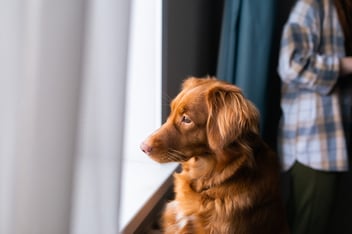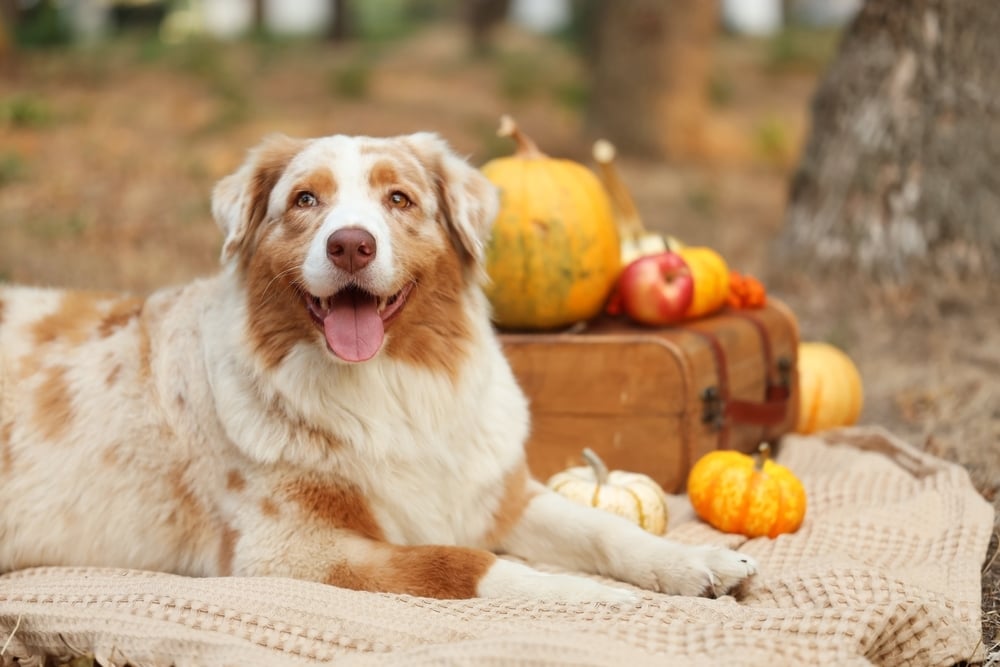
Thanksgiving is all about family, gratitude, and of course, delicious food. While we’re enjoying turkey, stuffing, and pie, our pets may also be curious (or sneaky!) about what’s on the table.
From toxic foods to household hazards, there are some must-know pet safety tips for Thanksgiving so your cats, dogs, and other small pets stay safe during the holiday season.
An Overview: Thanksgiving Foods That Are Safe and Not Safe for Pets
It can be tempting to slip your furry friend a bite under the table, but some Thanksgiving classics can be dangerous for pets.
Not Safe
- Turkey and Ham Bones: Cooked bones can splinter and cause choking or gastrointestinal tears.
- Rich, Fatty Foods: Foods like gravy, turkey skin, and butter-laden mashed potatoes can trigger serious digestive issues like pancreatitis.
- Stuffing and Casseroles: Often contain onions, garlic, or chives, which are toxic to both cats and dogs.
- Desserts (especially Pie and Chocolate): Chocolate, xylitol (a sweetener), and raisins are all harmful to pets.
- Alcohol and Caffeinated Drinks: Even small amounts can cause serious issues.
Safe
Instead, opt for safe Thanksgiving food for pets. Consider setting aside a small plate of plain, skinless, cooked turkey or steamed veggies like green beans and carrots for a safe treat.
Additional Pet Safety Tips for Thanksgiving
#1. Keep Trash Out of Reach
Pets are excellent scavengers, and Thanksgiving trash smells extra delicious. Bones, corn cobs, string used to tie turkey legs, and even packaging can cause choking or blockages if ingested.
Take out the trash often and use a covered bin to avoid dumpster diving. It’s also smart to store leftovers in sealed containers and keep countertops clear once the meal is over.
#2. Decorate Thoughtfully
Did you know some plants and flowers are toxic to pets? Some popular holiday plants that pose a risk include poinsettia, holly, and mistletoe, which can all cause vomiting and diarrhea in cats and dogs.
But these aren’t the only plants to cause issues. View a comprehensive list of toxic plants for dogs, cats, and horses here. And, if your pet does ingest a toxic plant, call your veterinarian or the ASPCA Poison Control Center at 888-426-4435 as quickly as possible.
#3. Manage Stress and Guests
Between visitors, noise, and a change in routine, Thanksgiving can be stressful for pets, especially cats and nervous dogs. Provide a quiet, safe space (like a bedroom with their bed and toys) so they can retreat if things get overwhelming.
If your pet is particularly anxious during gatherings, your veterinarian may prescribe medications such as fluoxetine or amitriptyline. You can also try calming supplements or pheromone diffusers for mild stress relief. These medications, supplements, and diffusers are available for next-day delivery from Mixlab.
#4. Be Prepared for Digestive Upsets
Even with precautions, sometimes pets sneak food they shouldn’t. Signs of tummy trouble include vomiting, diarrhea, or lethargy.
Your veterinarian may recommend medications like metronidazole for gastrointestinal upset, maropitant to help with nausea and vomiting, and/or probiotics to restore gut balance.
Mixlab can work with your veterinarian to quickly prepare these medications in forms your pet will actually take—whether it’s a tasty chew, liquid suspension, or transdermal option.
#5. Think Ahead for Holiday Travel
Bringing your pets along? Prepare as early as possible. You may need a health certificate for interstate or international travel. Check the USDA and consult your veterinarian. If you’re driving, be sure to use secure carriers or harnesses to keep your pet safe on the road.
For air travel, get veterinary advice. Some pets, particularly brachy breeds (like Persians or French bulldogs), have breathing challenges that must be considered.
Consider packing a small travel kit with your pet’s medications, a familiar blanket, and some of their favorite treats or toys to reduce stress during the trip.
Small Pets Can Be Affected, Too
Cats and dogs aren’t the only ones at risk. Birds, rabbits, hamsters, reptiles, and fish can all be sensitive to changes in their environment.
Keep food scraps, candles, and hot dishes away from cages and tanks, and ensure doors stay closed if guests are coming and going.
Keep the Holidays Joyful and Safe for Your Pets
Thanksgiving should be about making memories, not emergency veterinary visits. By following these pet safety tips for Thanksgiving, you can keep your pets safe, calm, and healthy.
Need a refill before the holidays? Mixlab delivers personalized and brand-name medications right to your door, so you’ll have one less thing to worry about during the busiest season of the year. Simply submit your prescription online or reach out to us!